Brussels points to the future of integrated transport
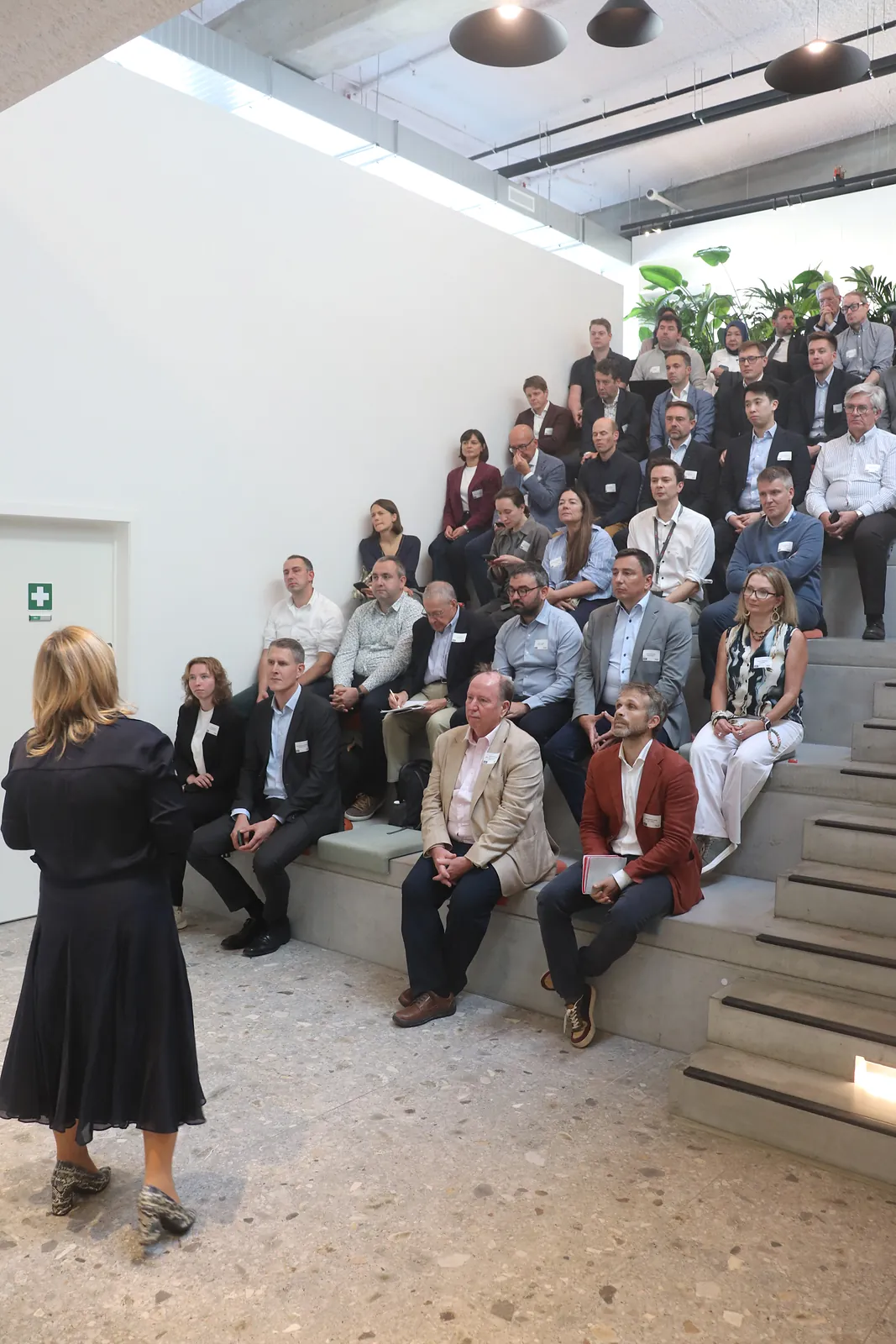
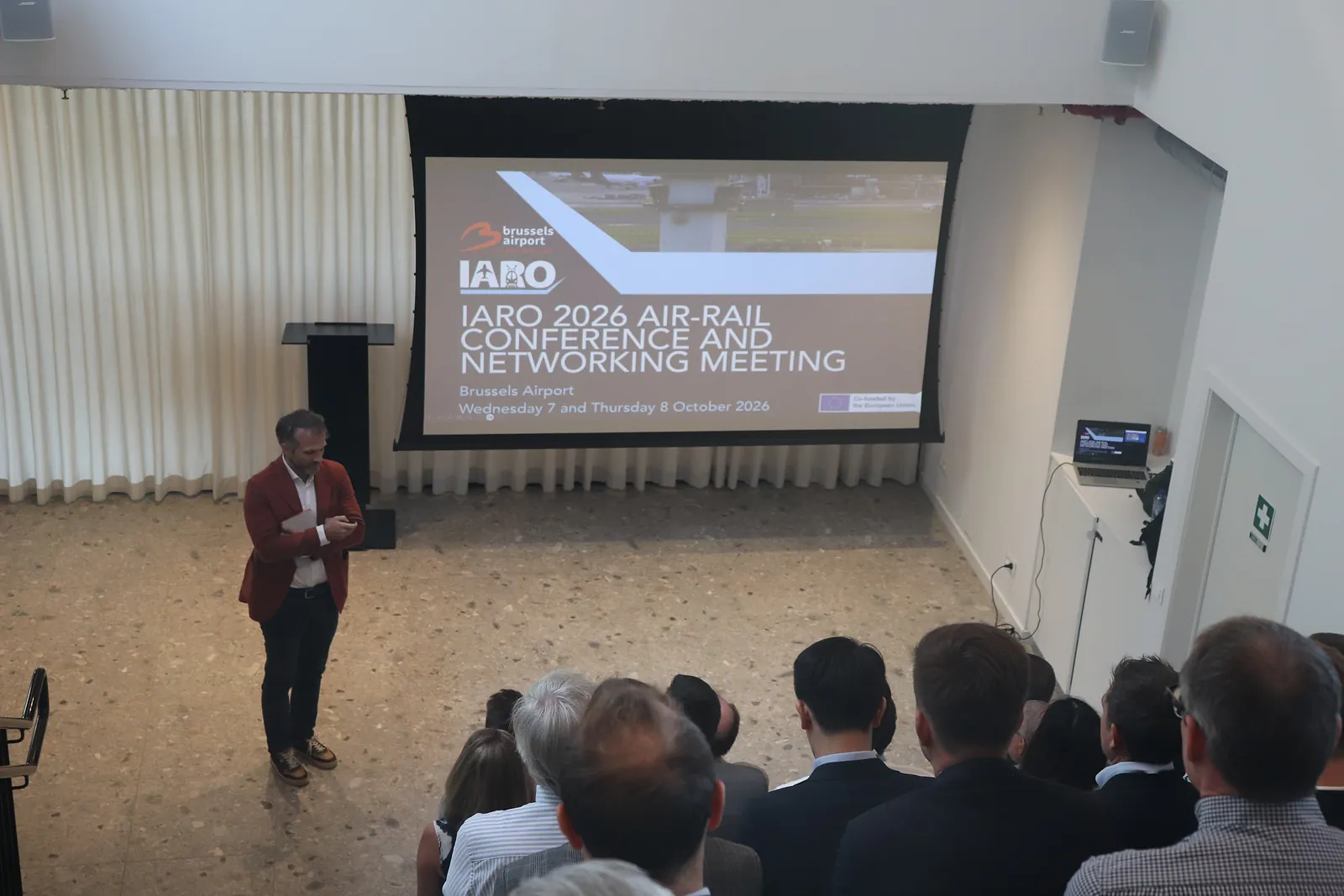
IARO brought together airport operators, railway organisations, airlines, policymakers, technology providers and transport specialists for its 2026 Air-Rail Conference and Networking Meeting, hosted by Brussels Airport on 7–8 October. Two days of presentations, discussion, networking and behind-the-scenes visits looked at the challenges and opportunities of integrating air and rail.
A theme throughout was that seamless intermodal connectivity is no longer only a way to improve airport access: it is becoming a strategic part of future aviation and railway networks. The meeting also hosted the closing dissemination event of Brussels Airport's Intermodal Hub project, funded by the EU's Connecting Europe Facility (CEF), a practical example of an airport planning for growth while improving its public transport links.
Day one: air-rail cooperation
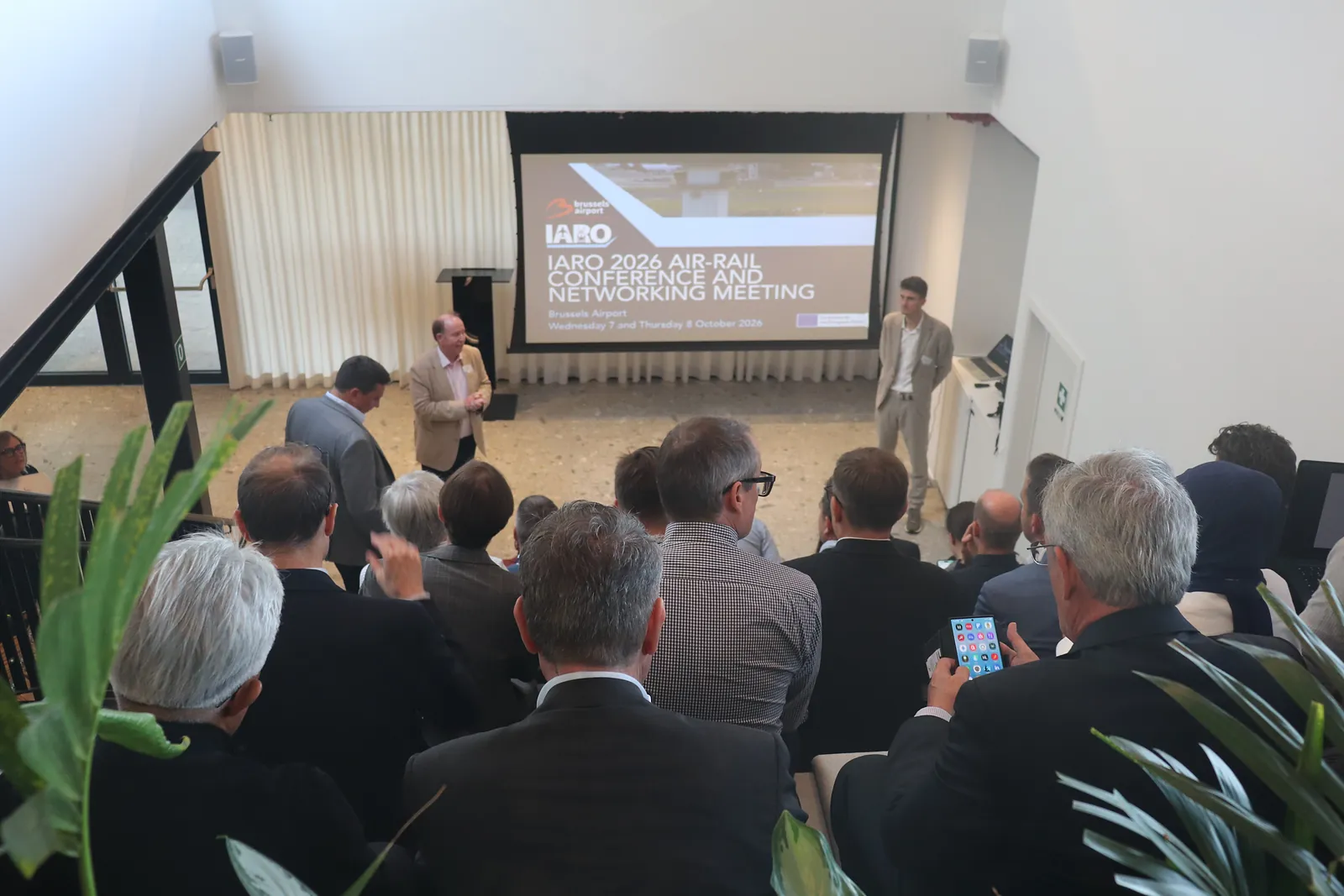
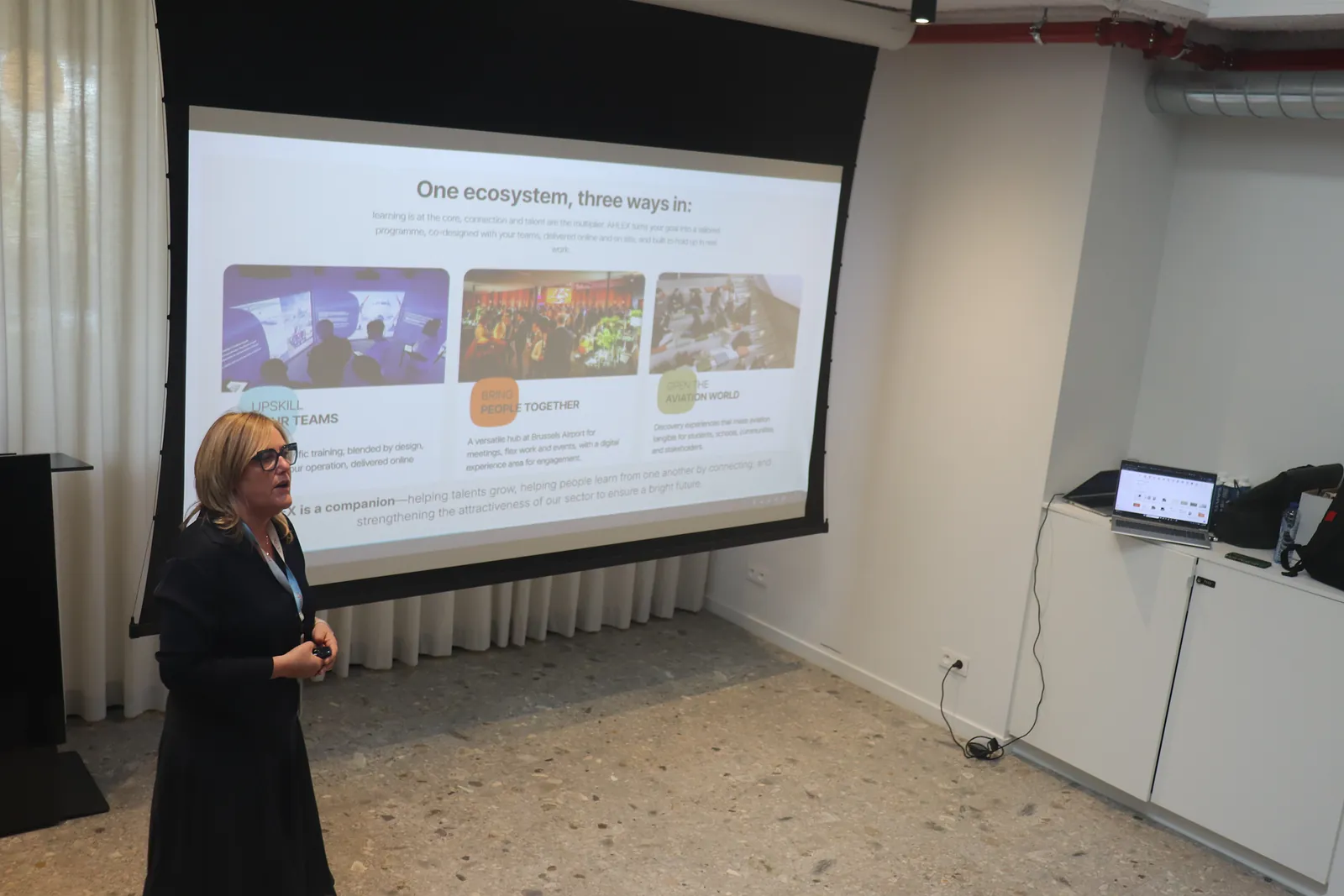
The conference began on Wednesday 7 October at AHLEX, the Brussels Airport Aviation Training Centre, where Brussels Airport and IARO welcomed delegates over lunch.
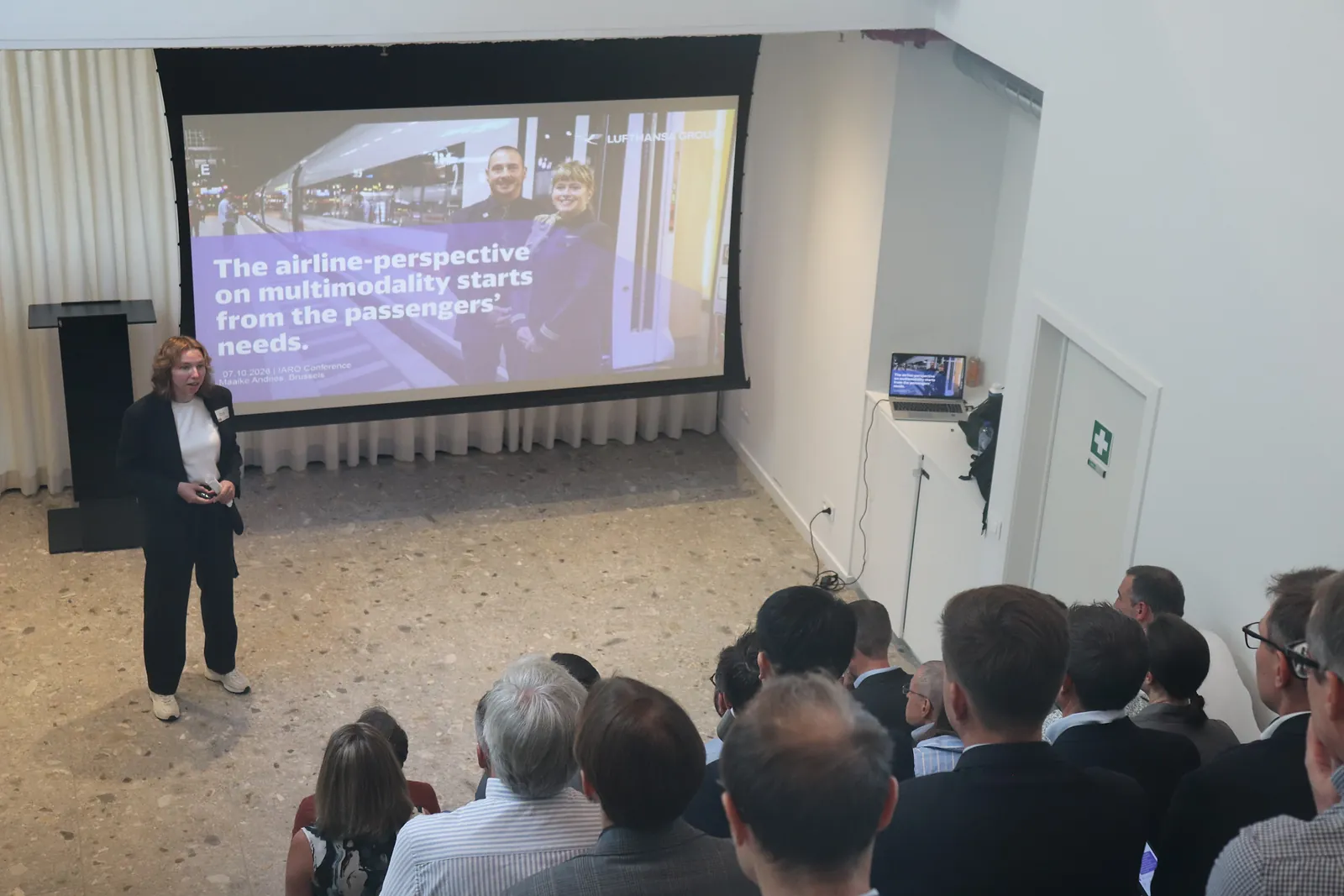
Maaike Andries, Corporate Development Manager at Brussels Airlines, set out the airline's view of multimodal transport, built around what passengers need. Brussels Airlines and Deutsche Bahn have introduced an Express Rail product linking Brussels Airport with Germany's high-speed network, so passengers from North Rhine-Westphalia can reach the Brussels Airlines network, including its African destinations, on one integrated journey: combined booking, a single check-in, protected connections, automatic rebooking when things go wrong, and assistance across both modes.
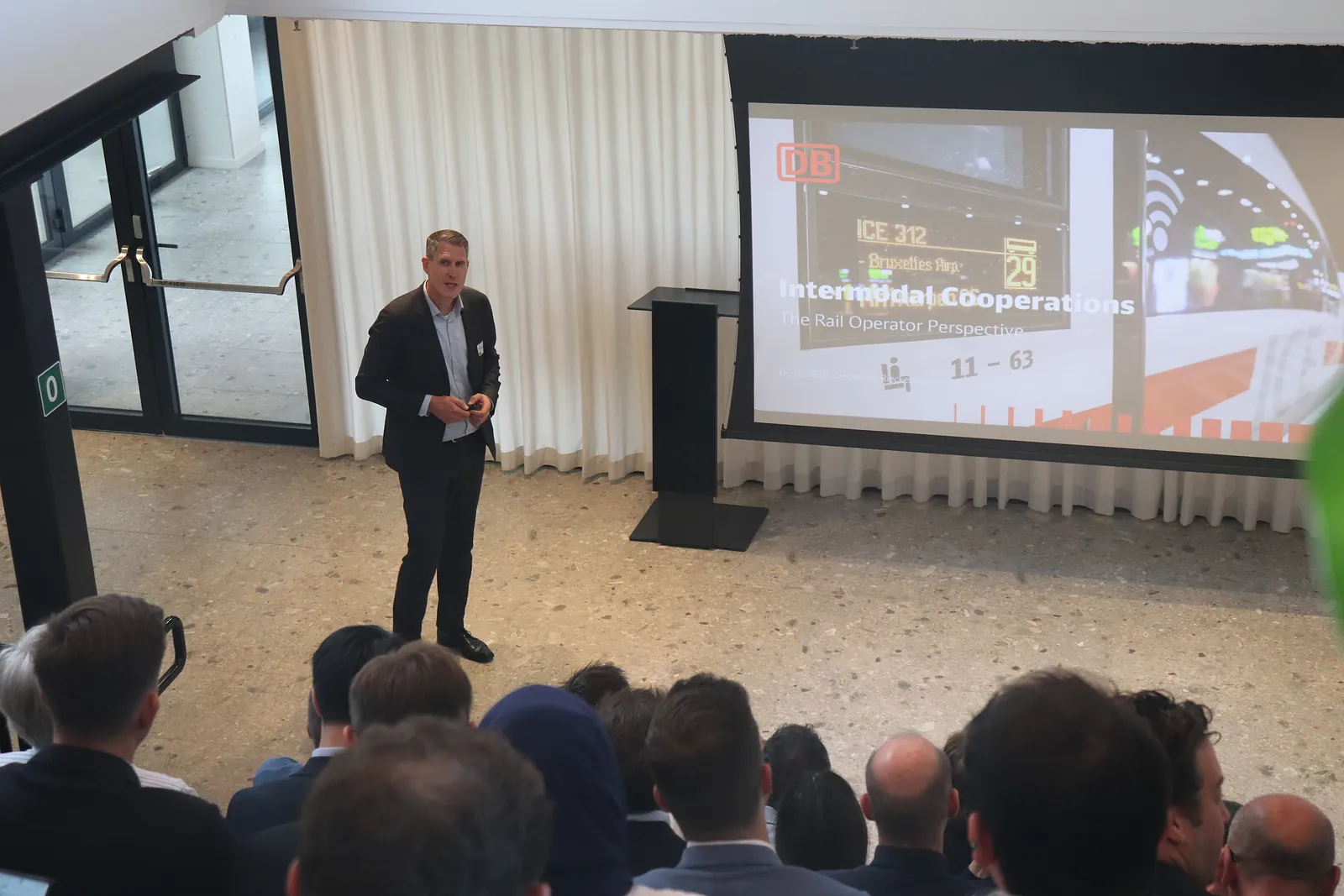
Sebastian Rieckesmann, Business Manager Airline and Intermodal Cooperations at DB Fernverkehr, gave the railway operator's perspective. Together they showed that integrated air-rail products depend on more than infrastructure. Ticketing, distribution, passenger information, baggage and responsibility during disruption matter just as much.

Behind the scenes at Brussels Airport
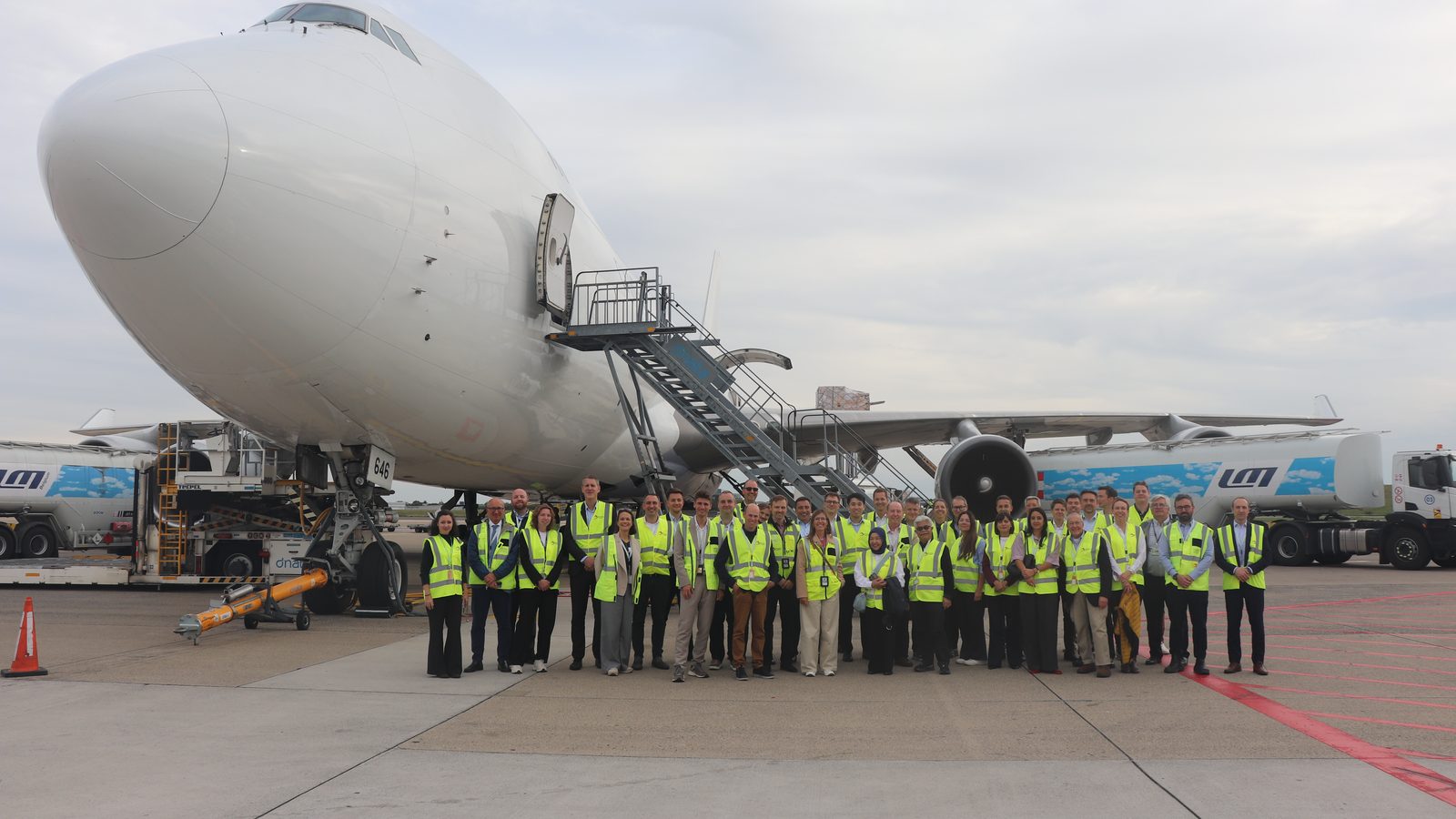
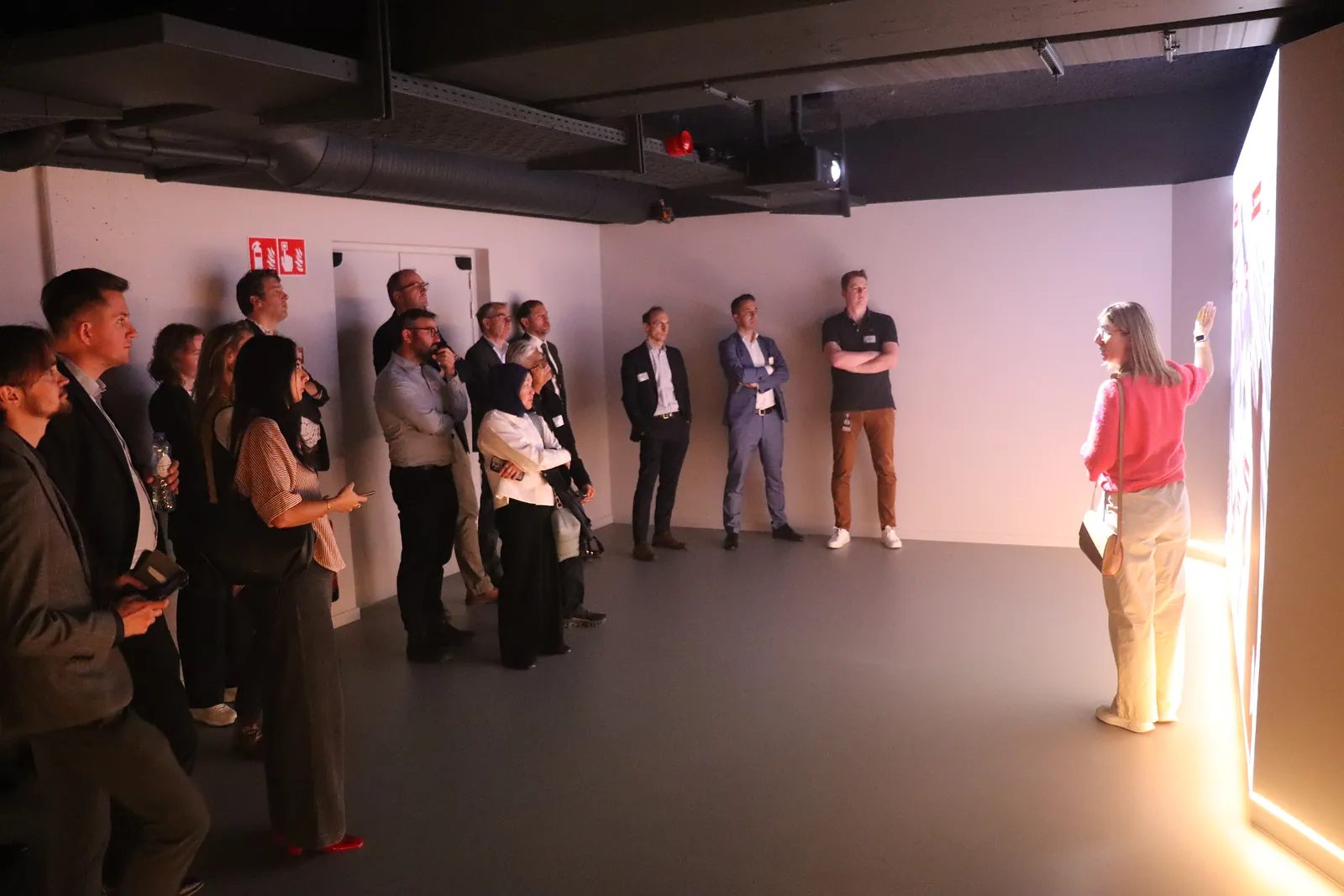
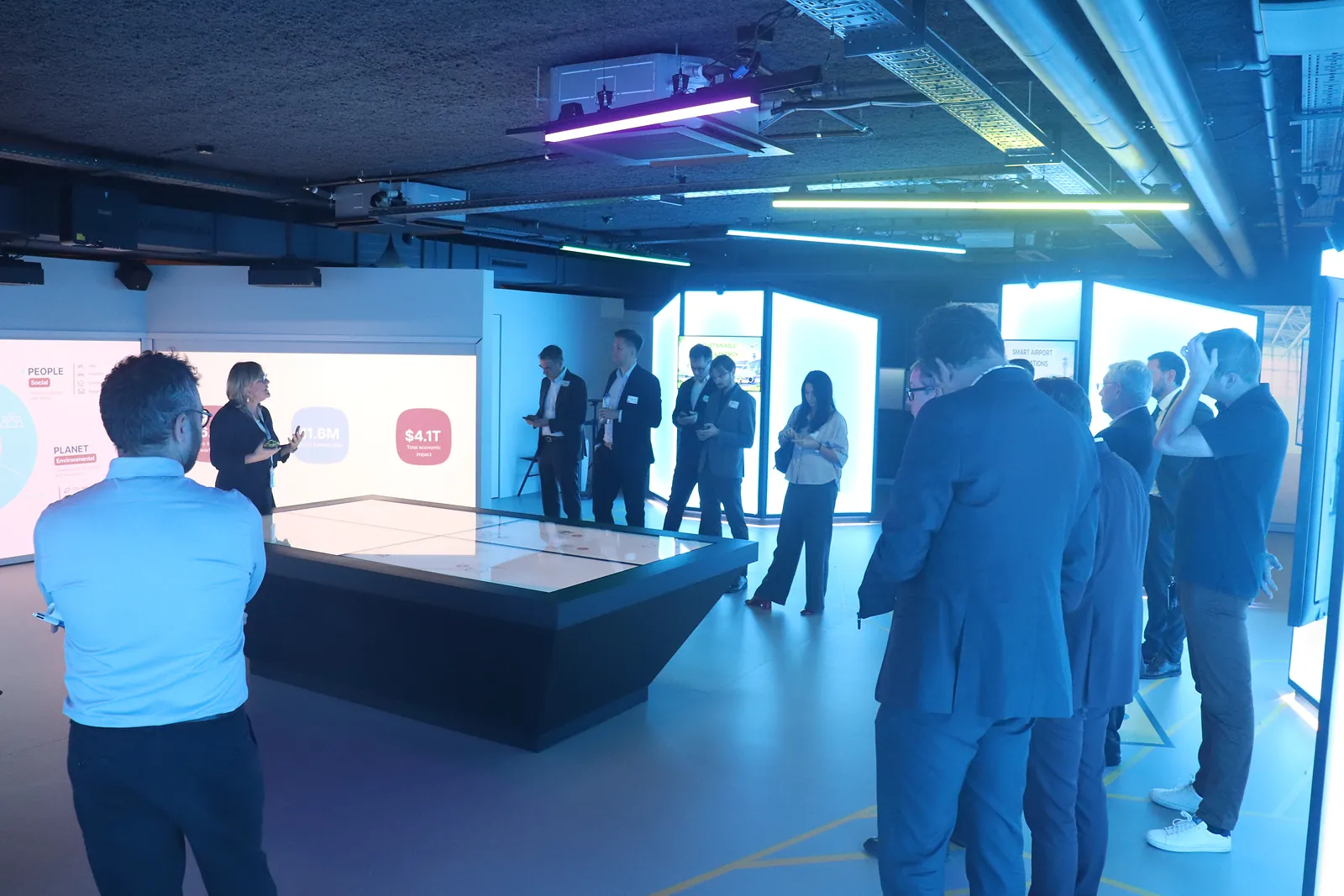
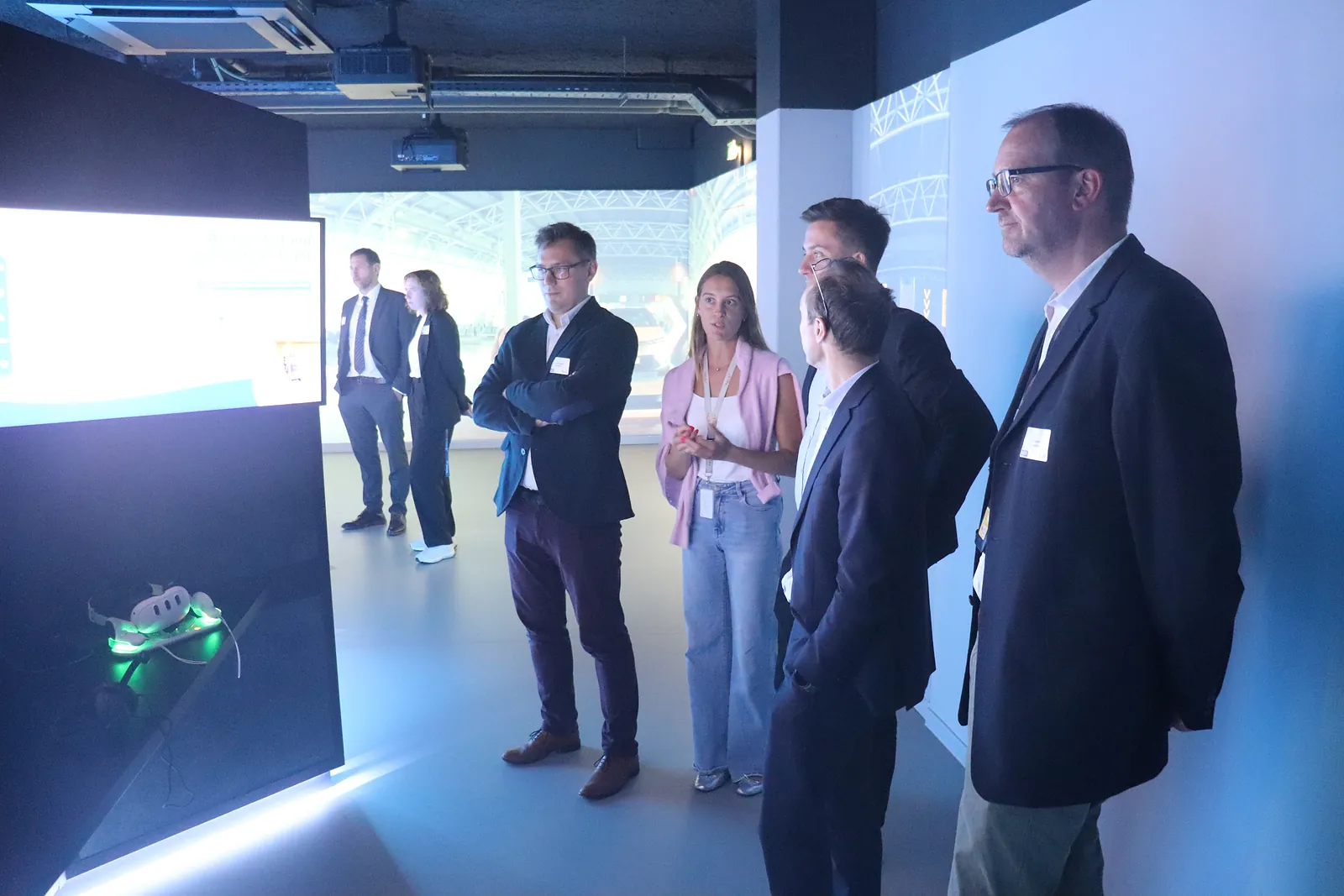
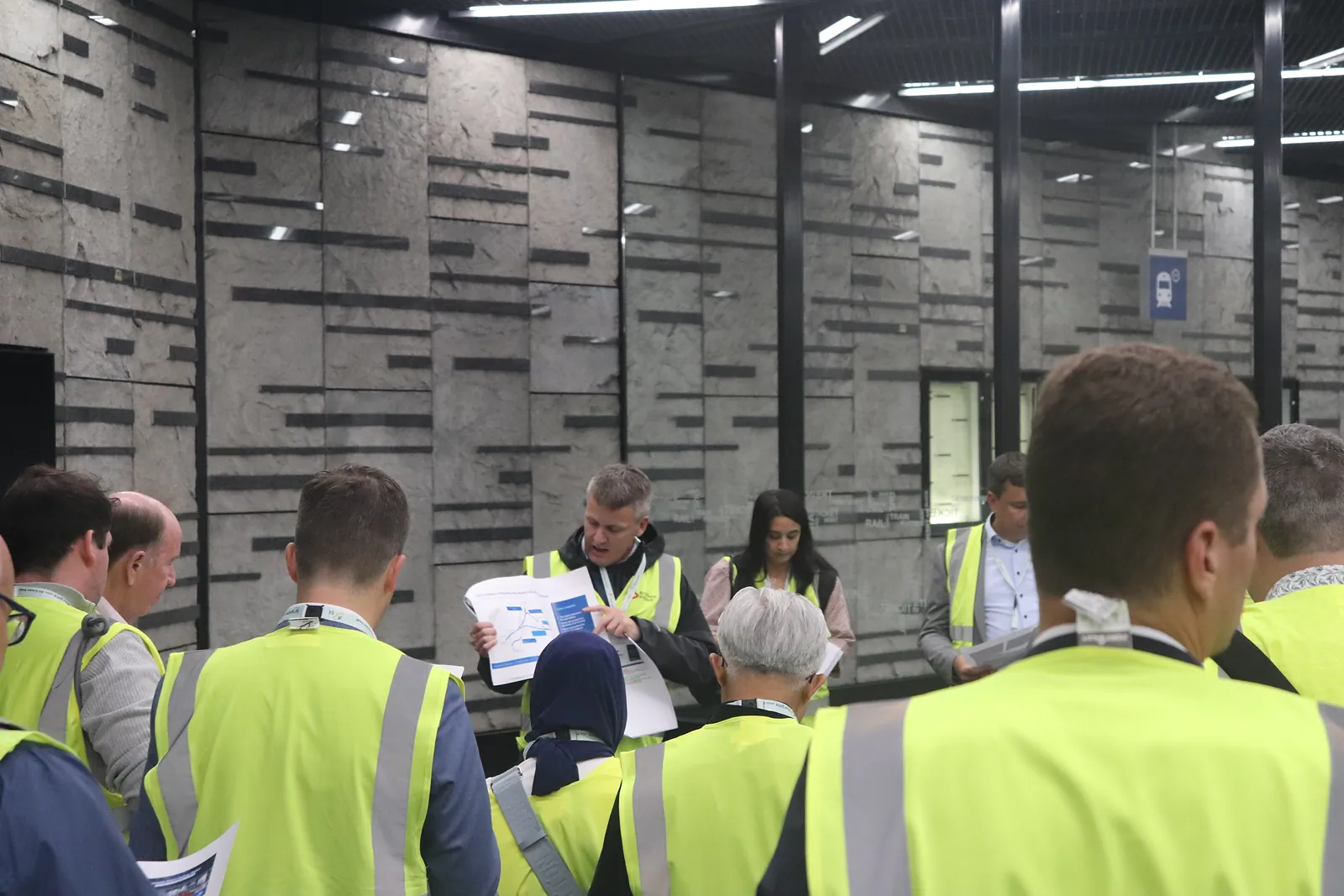
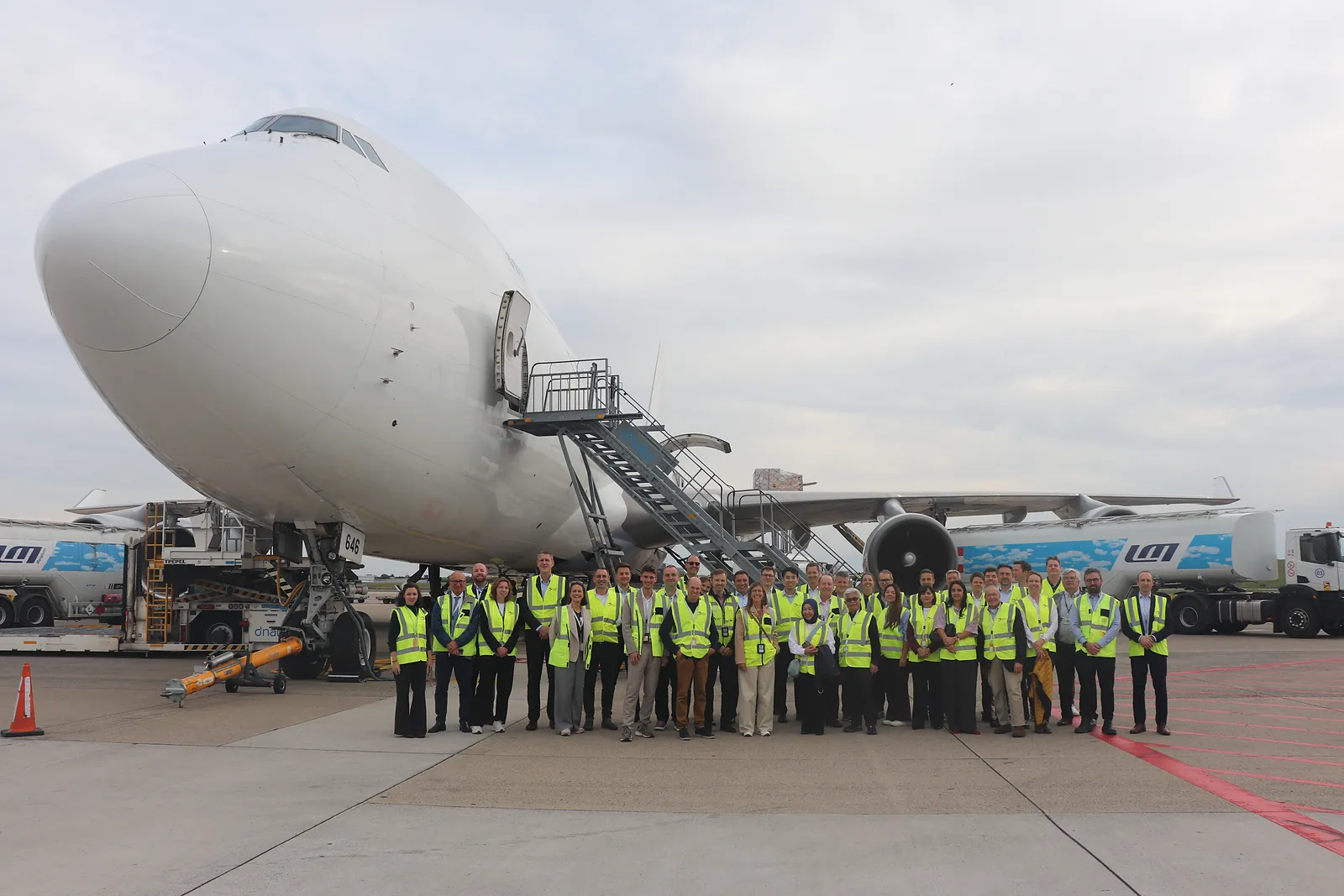
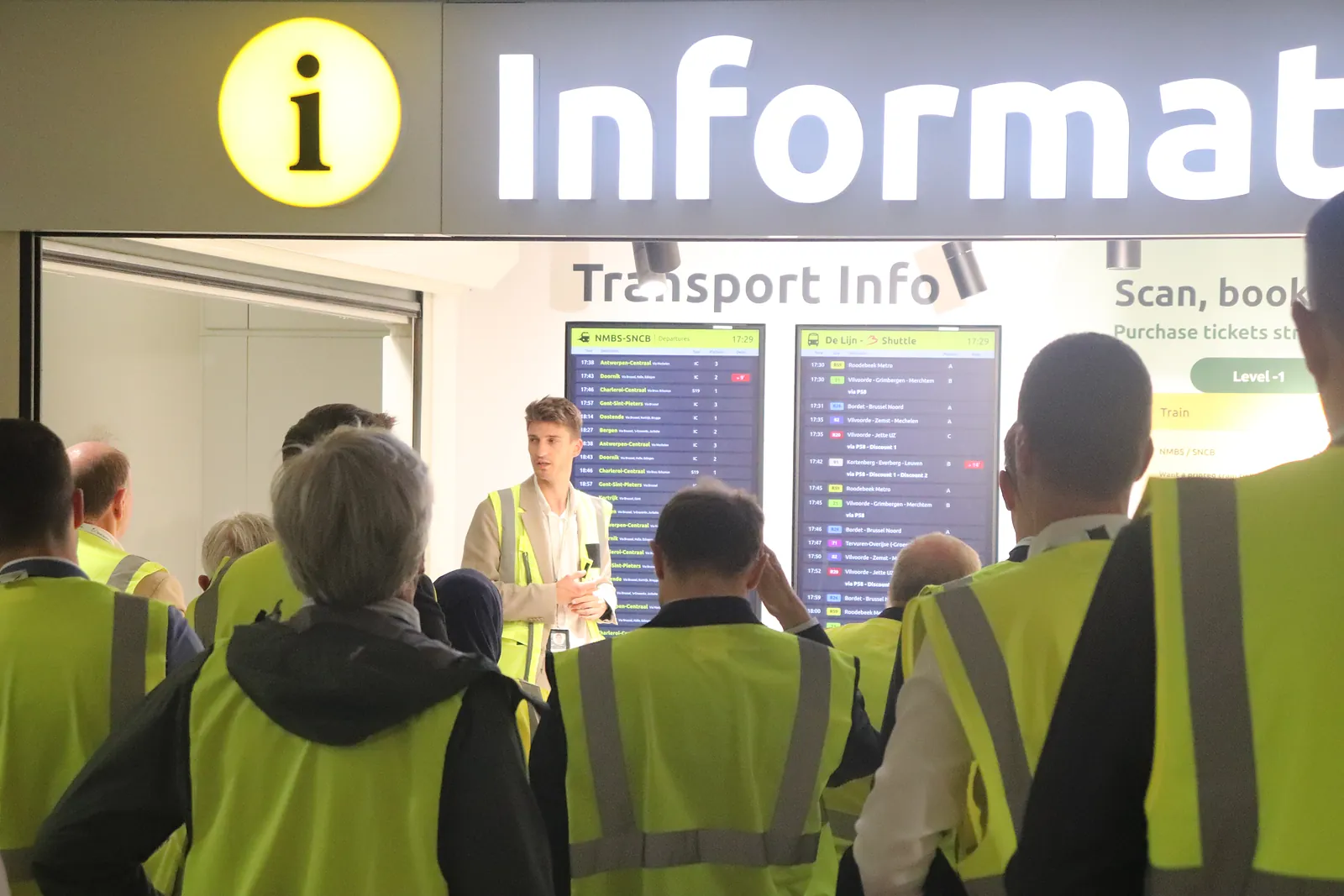
After a tour of AHLEX, delegates moved on to the airport's landside and airside facilities, to see today's transport infrastructure and the plans for the future Intermodal Hub. An unexpected highlight was a visit to the cargo apron to see a large cargo aircraft at close quarters.
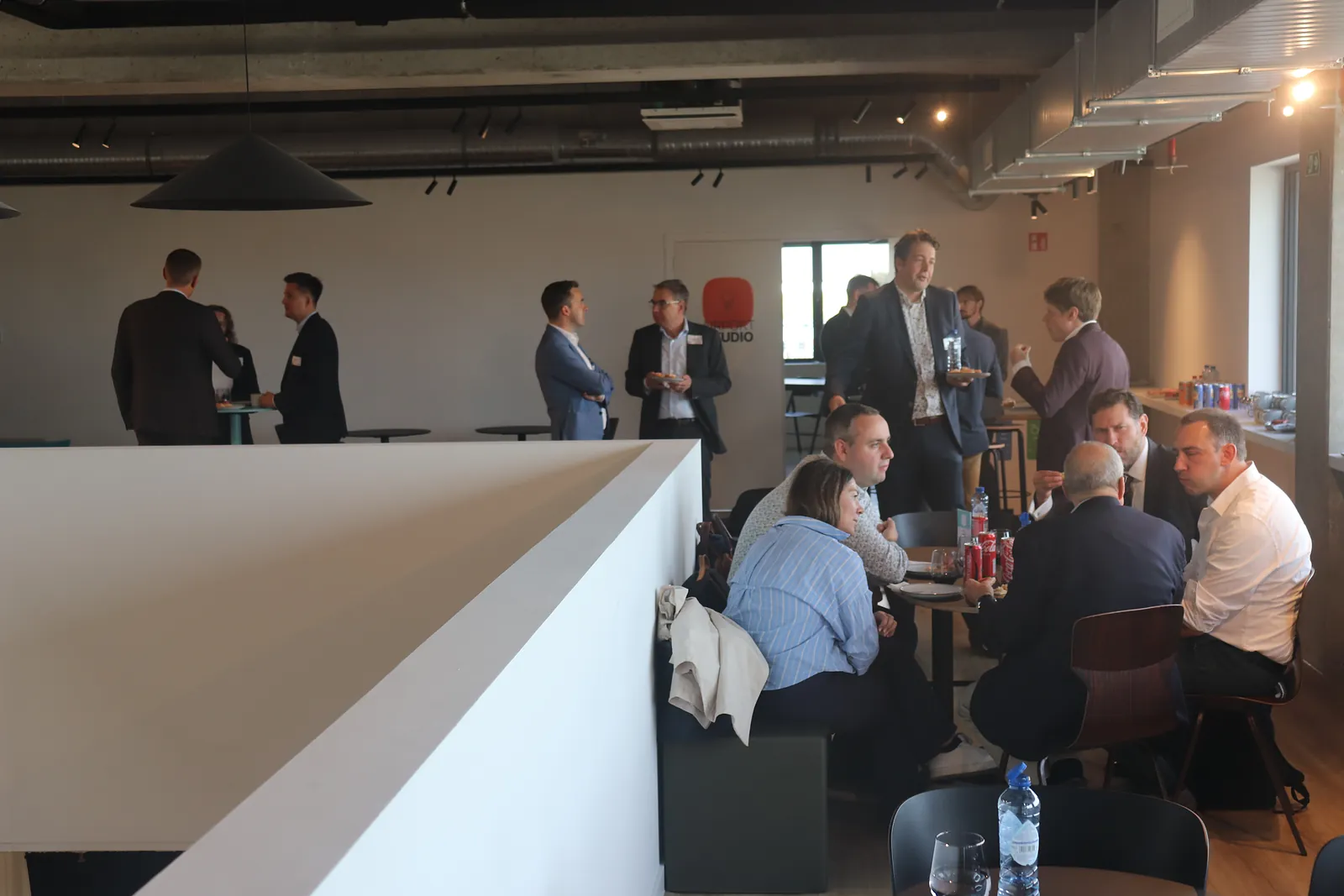
The day ended with the “Welcome to Brussels” networking reception and dinner at the Van der Valk Hotel Brussels Airport.

Day two: Brussels Airport's integrated transport hub
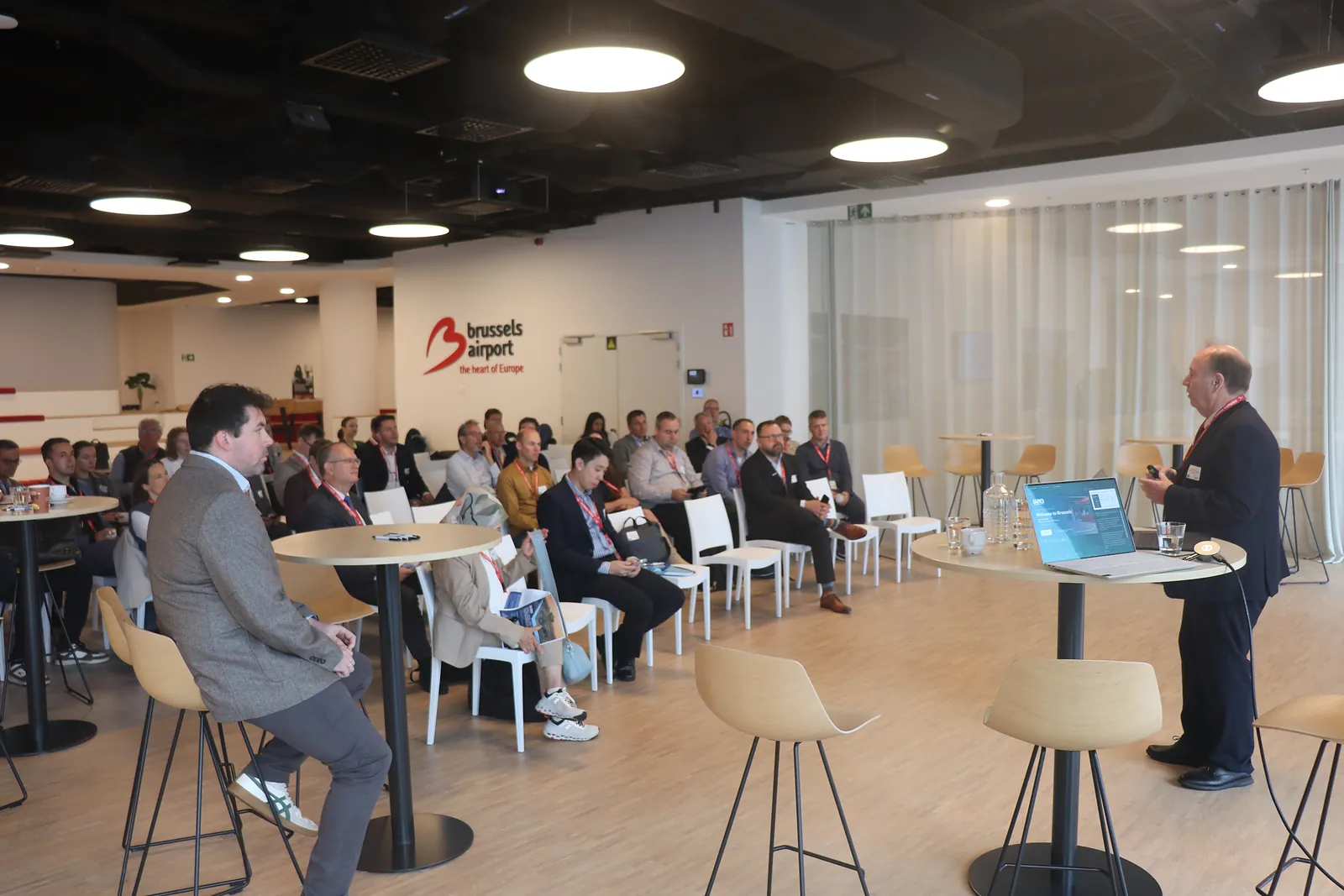
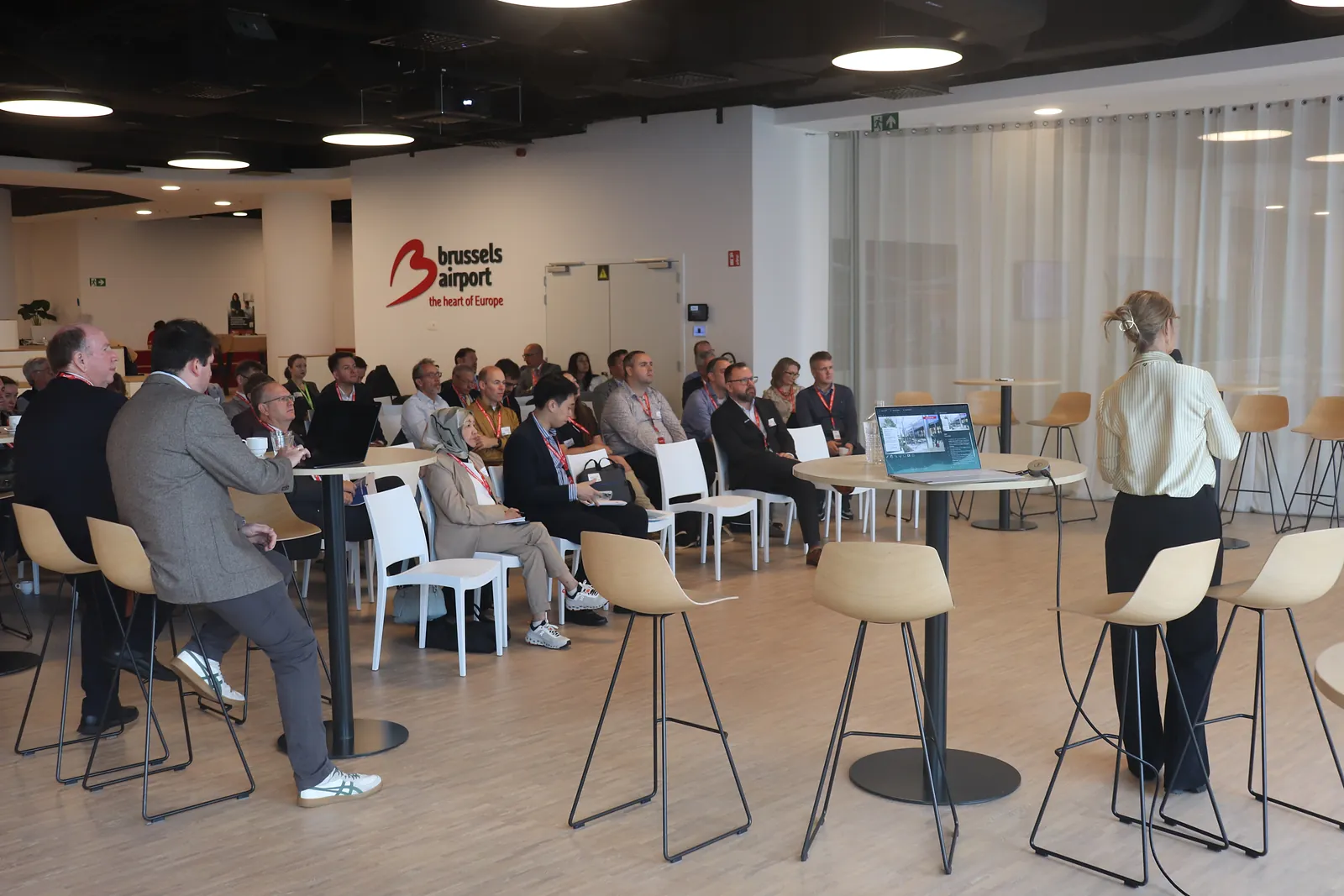
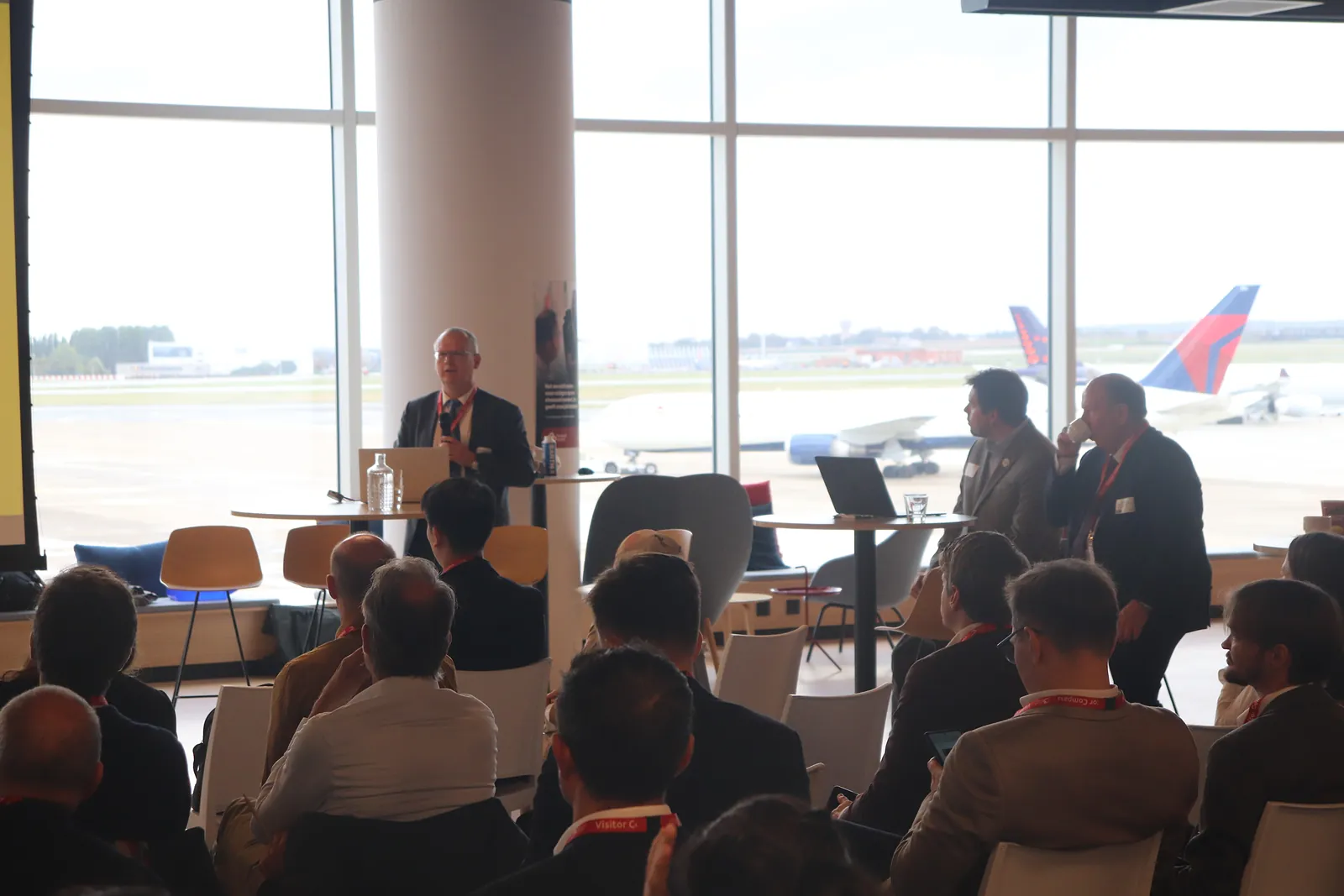
Thursday 8 October was a full conference day at Brussels Airport, in three sessions: airport connectivity and high-speed rail; airport development and design; and technology, systems integration and disruption management.
Brussels Airport opened with its Hub 3.0 programme. Passenger numbers are expected to pass 30 million a year by 2032, more than the present terminal and mobility hub were built for. A new Intermodal Hub will bring rail, tram, bus, taxi and other ground transport under one roof, with the terminus of a new airport tram and a smoother connection to the terminal. The wider masterplan adds a terminal extension, a hotel, offices, public space and better pedestrian links. The Intermodal Hub is planned for 2028–2030 and the rest of the programme for 2030–2032.

European policy and high-speed rail
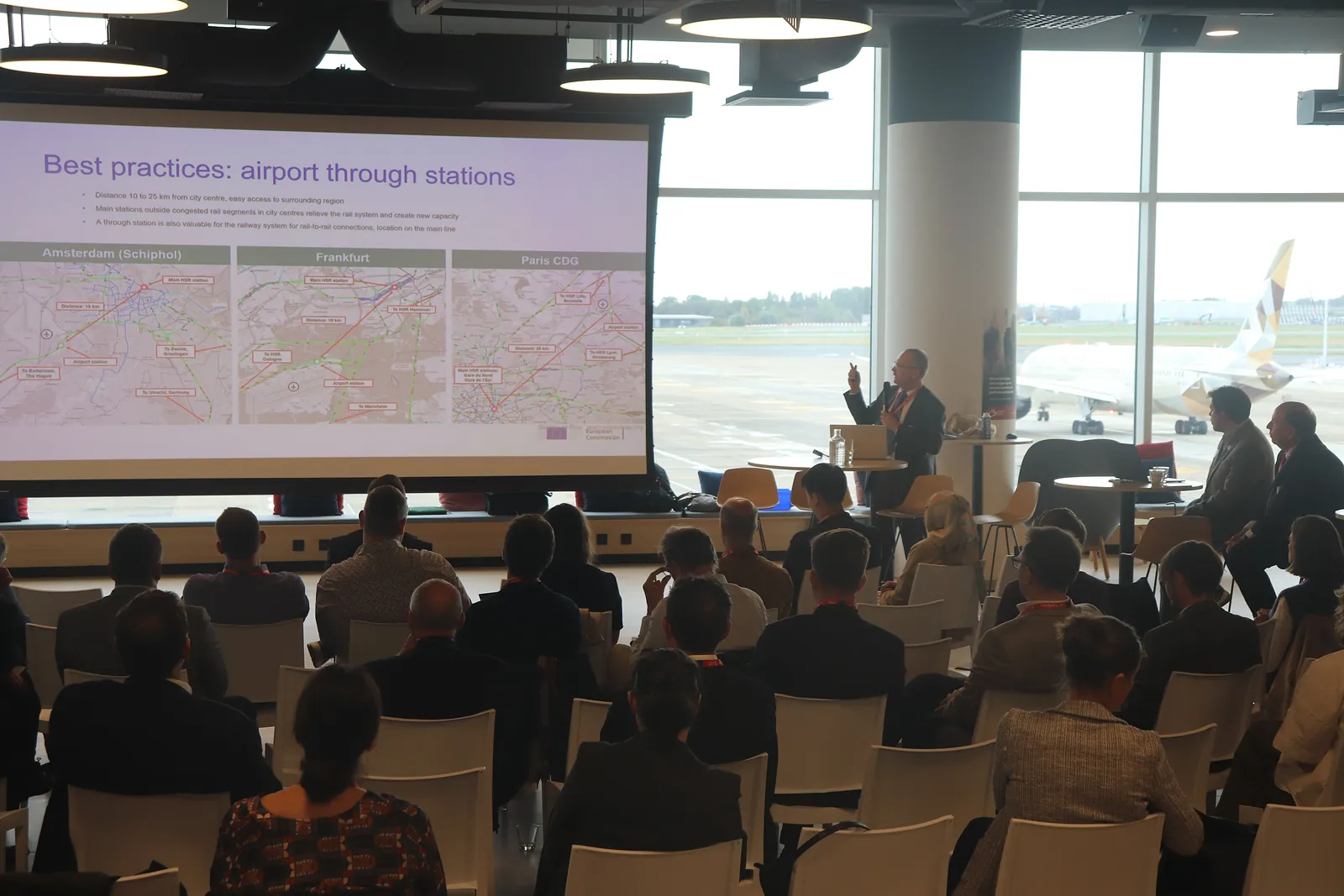
Marcin Wójcik of the European Commission's Directorate-General for Mobility and Transport (DG MOVE) explained how the revised TEN-T Regulation, (EU) 2024/1679, puts more weight on connecting major airports to long-distance rail. Airports with more than 12 million passengers a year must be connected to the TEN-T rail network, including high-speed rail, by 2040, so that they can be served by long-distance trains. Airports with between 4 and 12 million must be connected by 2050, to the TEN-T rail network or to their urban node by rail, metro, light rail, tram, cable car or, exceptionally, another zero-emission public transport solution.
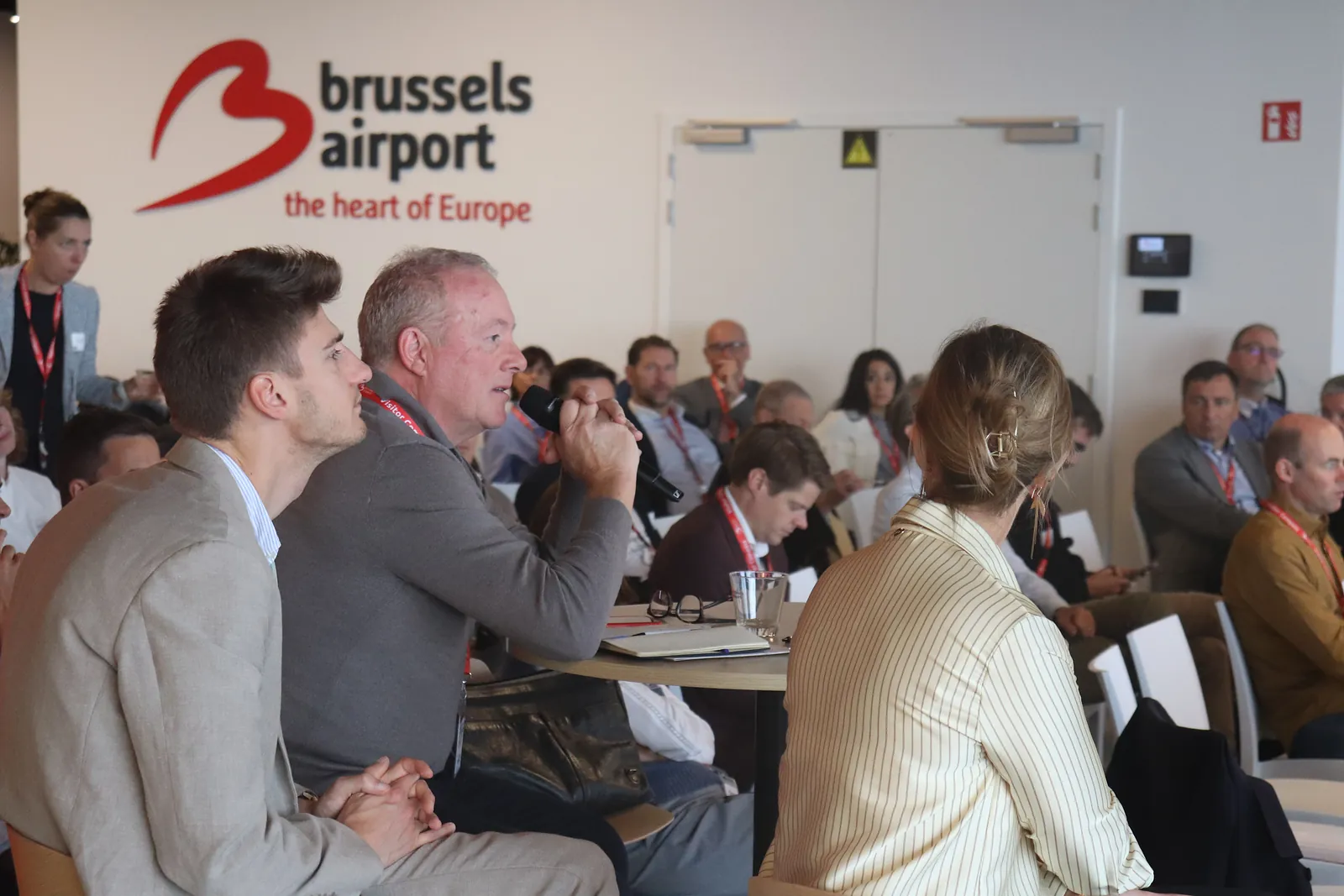
Rudi Loontiens, Chief Commercial Officer of Infrabel, Belgium's rail infrastructure manager, looked at strengthening Brussels Airport's links with long-distance destinations. The opportunity is real, but so are the constraints: limited capacity, competing passenger and freight demand, and the complexity of cross-border operations. The challenge is not only to build connections but to run services that fit within busy national and international networks. The panel that followed, with Brussels Airlines and DB Fernverkehr, returned to what integrated services must deliver for passengers, and who is responsible for what.
Airport development and design
Antoinette Nassopoulos-Erickson, Senior Partner at Foster + Partners, drew on the practice's airport and railway work around the world to make the case for treating stations, terminals and their transport facilities as parts of a single passenger journey: passenger-centred design, intuitive wayfinding, a close relationship between station and terminal, and sustainability through better connections. The session's panel weighed greenfield airports against fitting new rail into established ones.
Philip Autekie, Masterplanning and Design Manager at Brussels Airport, explained how forecasting, making full use of existing assets and coordinated investment planning help an airport respond to changing demand without short-term decisions that close off future development, and why flexibility matters when building around an airport and a railway that must keep running.

International perspectives: Kuala Lumpur and Poland
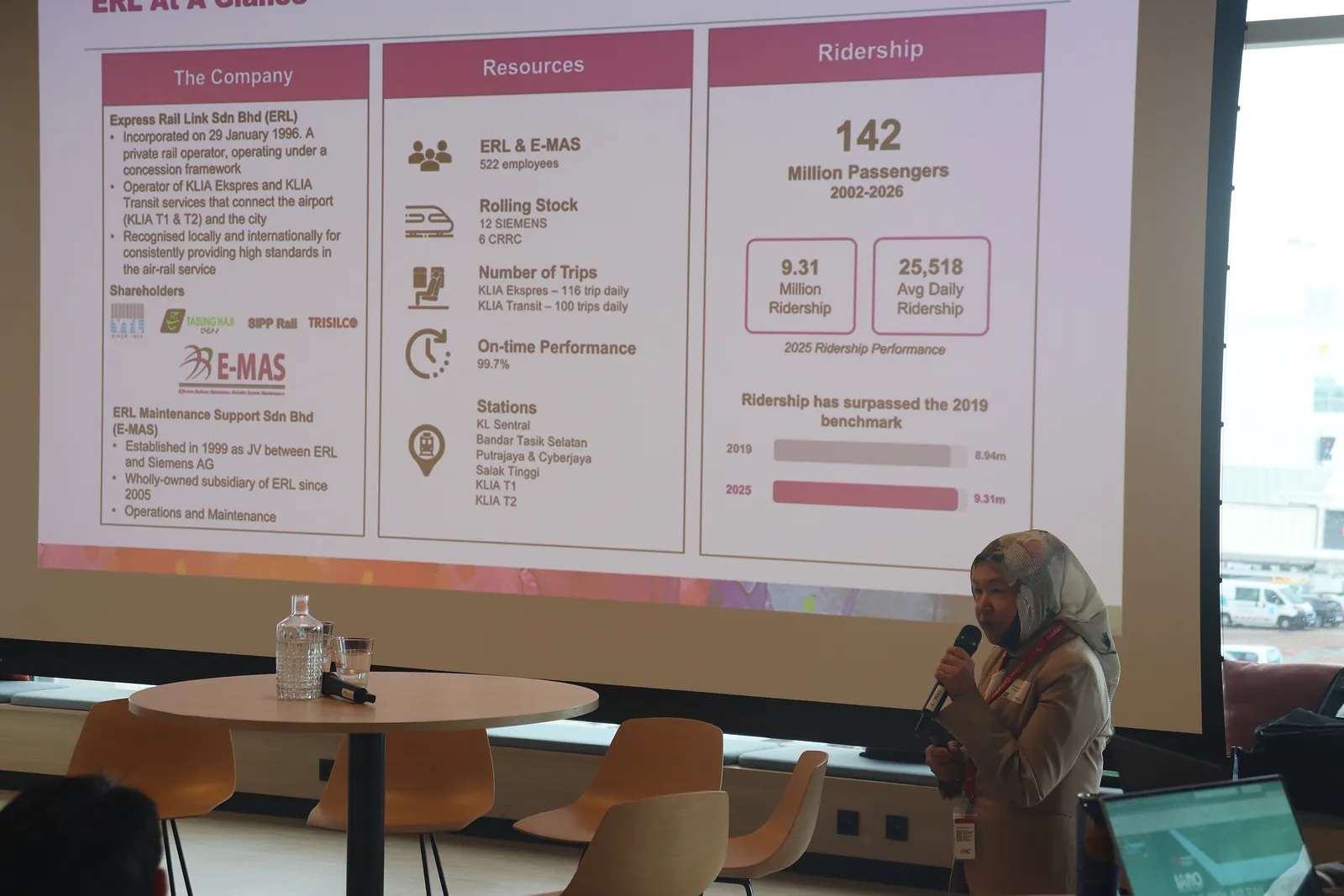
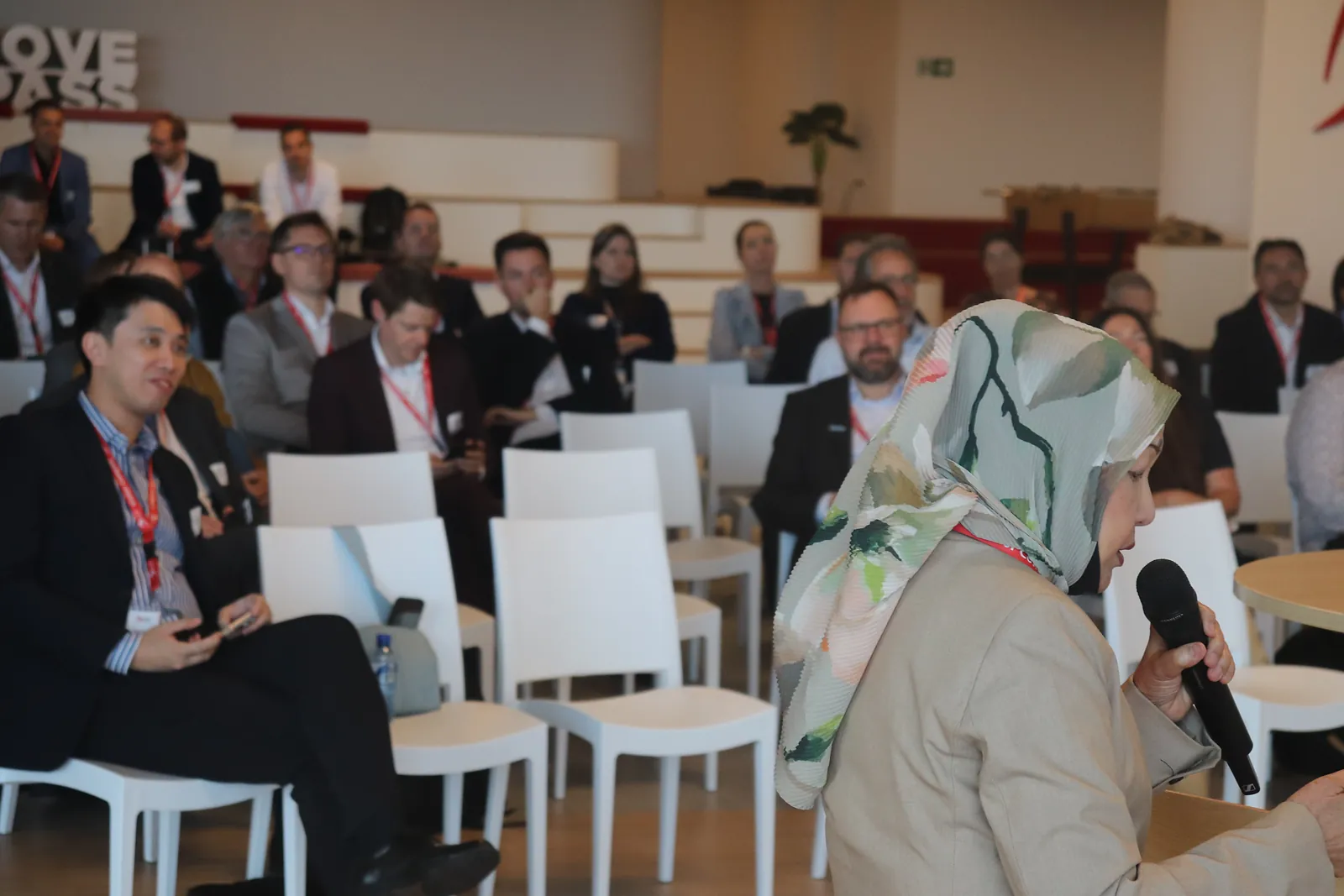
Noormah Mohd Noor, Chief Executive Officer of Express Rail Link, presented the latest on KLIA Ekspres and KLIA Transit, which connect central Kuala Lumpur with Kuala Lumpur International Airport. The focus was the city check-in at KL Sentral, which has offered airline check-in and baggage handling away from the airport since 2002 and now includes self-service check-in and bag drop, alongside ERL's sustainability programme. It showed how an airport rail link can do more than save time, by moving part of the airport process into the city centre.
The conference papers also cover Port Polska, Poland's new greenfield hub airport, due to open in the fourth quarter of 2032 with a high-speed rail programme of about 500 km of new lines in its first stage, connecting Warsaw with Poland's main cities in under 100 minutes.

Technology, data sharing and disruption
The final session turned to digital technology. In Beyond Aviation Boundaries, Jérôme Delmeulle, Programme Manager at the SESAR 3 Joint Undertaking, argued for moving from connecting transport modes to managing mobility as a single network. That needs interoperable data, a common operational picture, predictive tools and closer collaboration between everyone responsible for a stage of the journey.
Konstantijn Huys of Brussels Airport showed how its Airport Operations Plan coordinates the many organisations at the airport in normal running and in disruption, with measures such as replacement buses, extra trains and changes to airport processes for the passengers affected. AccesRail's Laetitia Beneteau described intermodality growing from a niche product into a strategic tool for airline networks: rail as an extension of the network that reaches new markets without adding short-haul flights, and widens an airport's catchment once it is part of airline distribution, booking and passenger servicing.
The message that kept returning: successful air-rail integration means thinking beyond separate modes, to the whole passenger journey.
Common themes
- Integrated passenger journeys. Seamless booking, ticketing, information and support across airline and railway networks.
- Infrastructure planning. Building rail and other public transport into airport masterplans from the start.
- Regulation. The growing weight of the European TEN-T requirements in driving investment in airport rail connections.
- Technology and resilience. Cooperation and data sharing to coordinate services and manage disruption.
- Sustainability. Rail connections for more sustainable airport access, and in place of some short-haul flights.
IARO also outlined its own work: research, knowledge-sharing, the airport railways database and four new member Work Groups, on Air-Rail Benchmarking, Integrated Ticketing, Sustainability, and Architecture and Design.
Looking ahead
The next opportunities to meet are the IARO Air-Rail Forum at Super Terminal Expo in Hong Kong on 4 November 2026, and High Speed Rail Asia in Hanoi, Vietnam, in March 2027.
IARO thanks Brussels Airport for hosting the meeting, all the speakers and their organisations for their contributions, and every delegate for taking part.
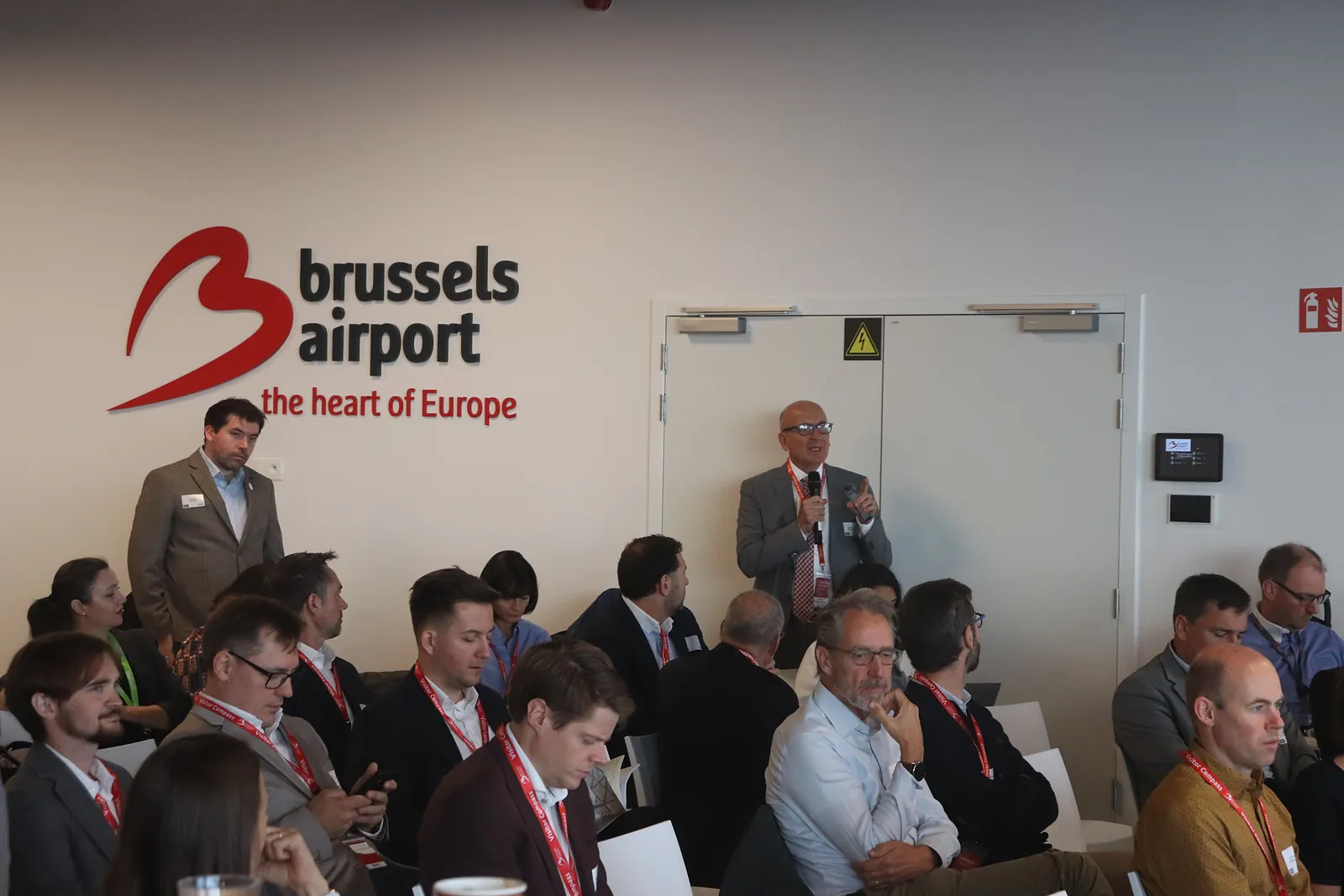
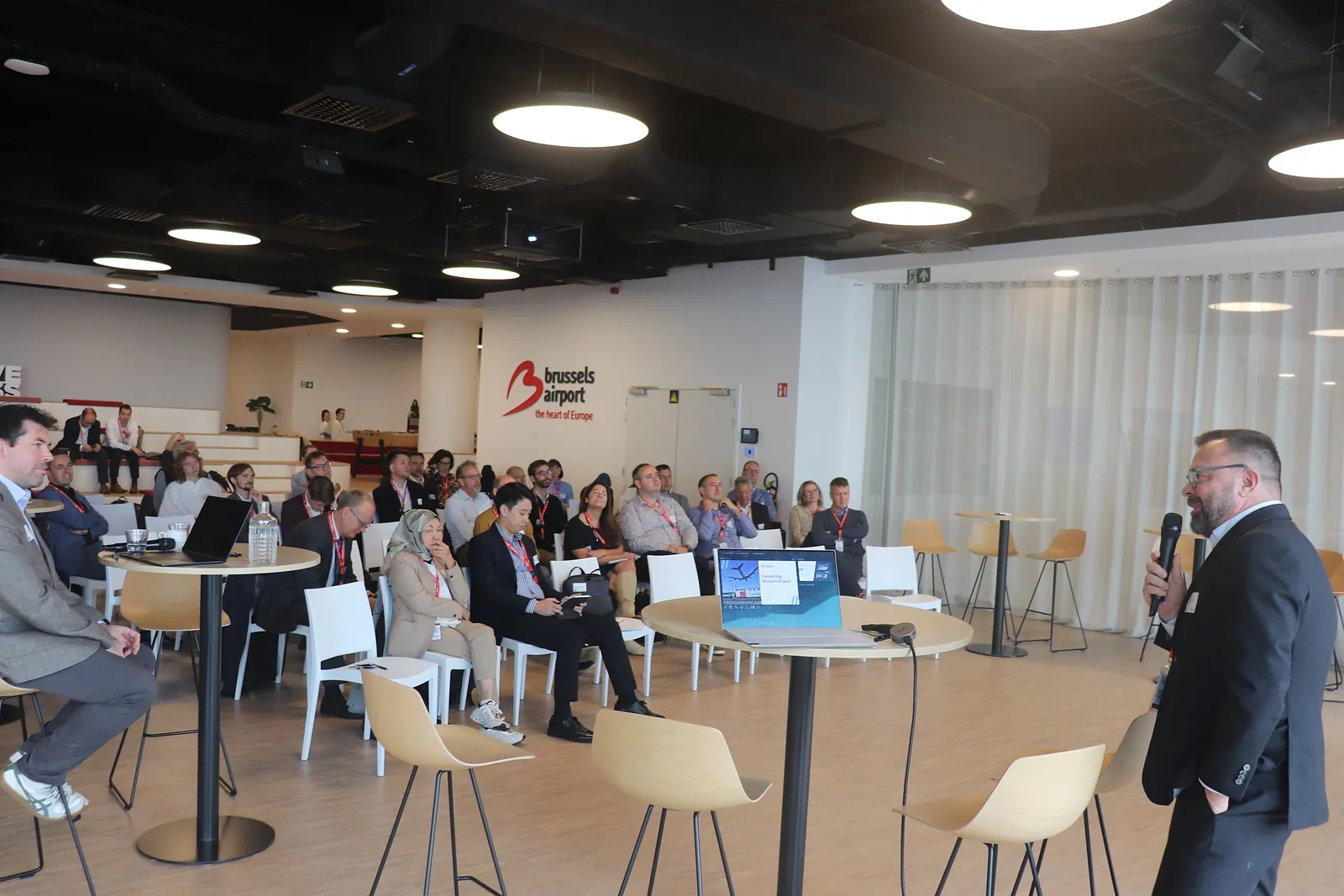
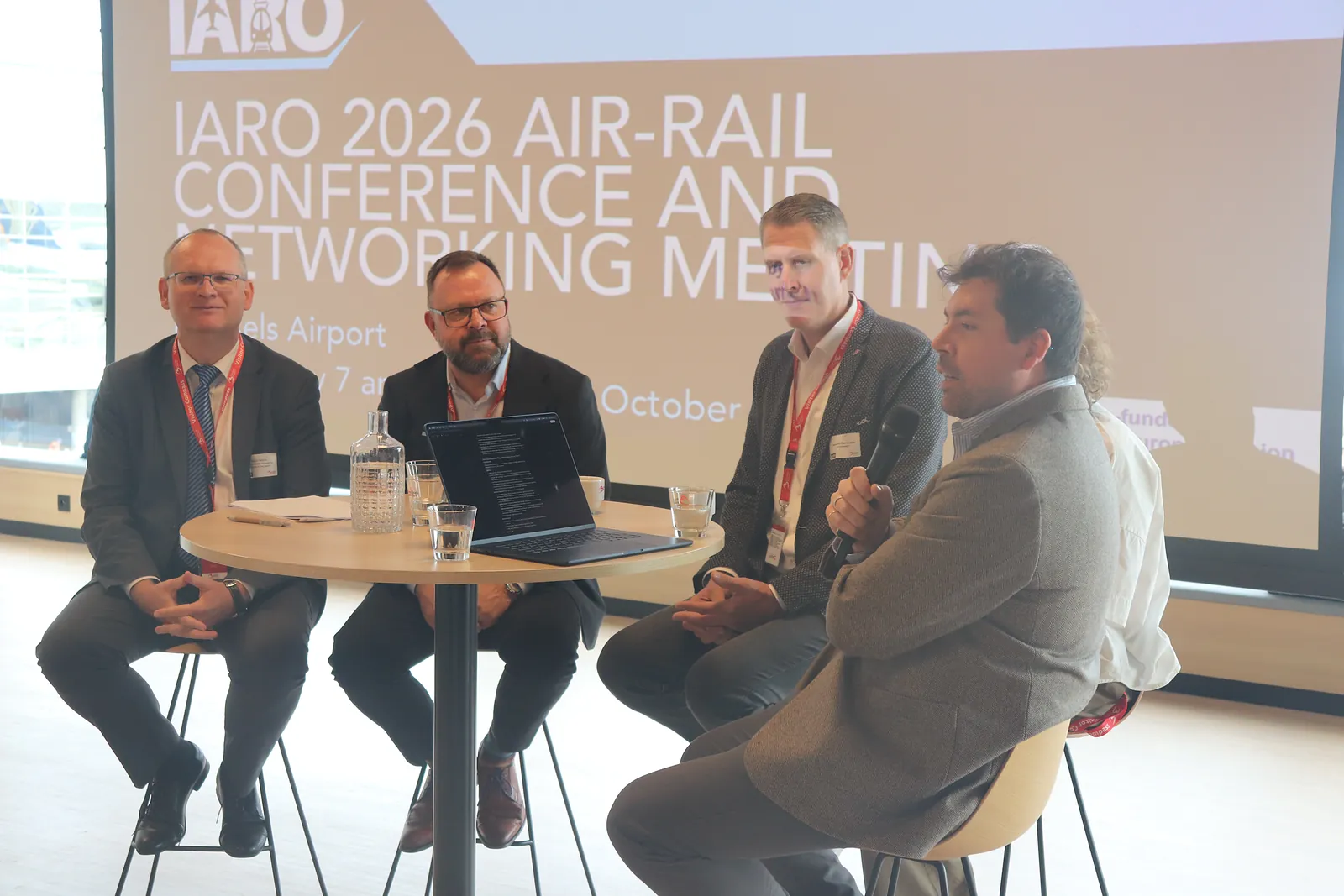
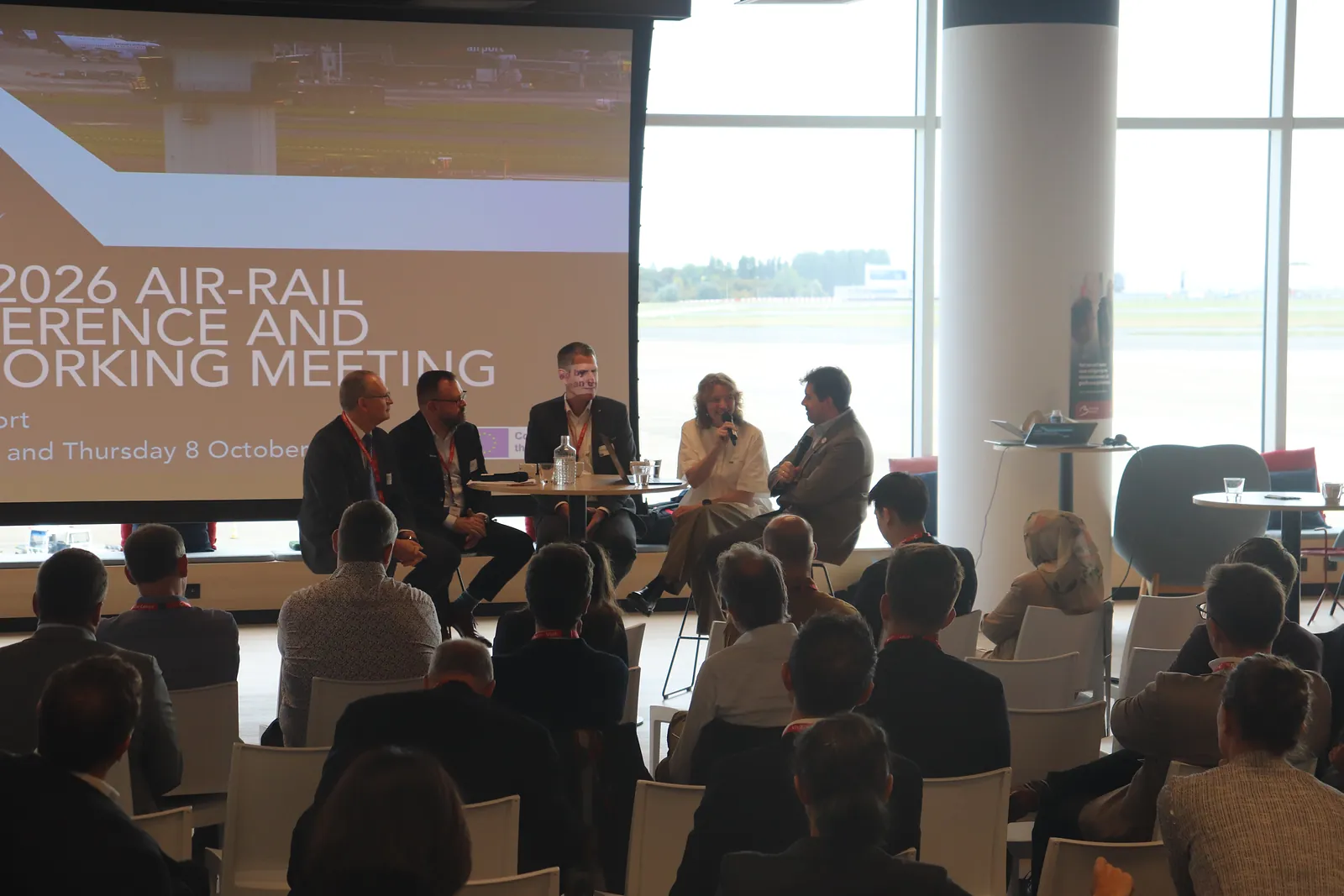
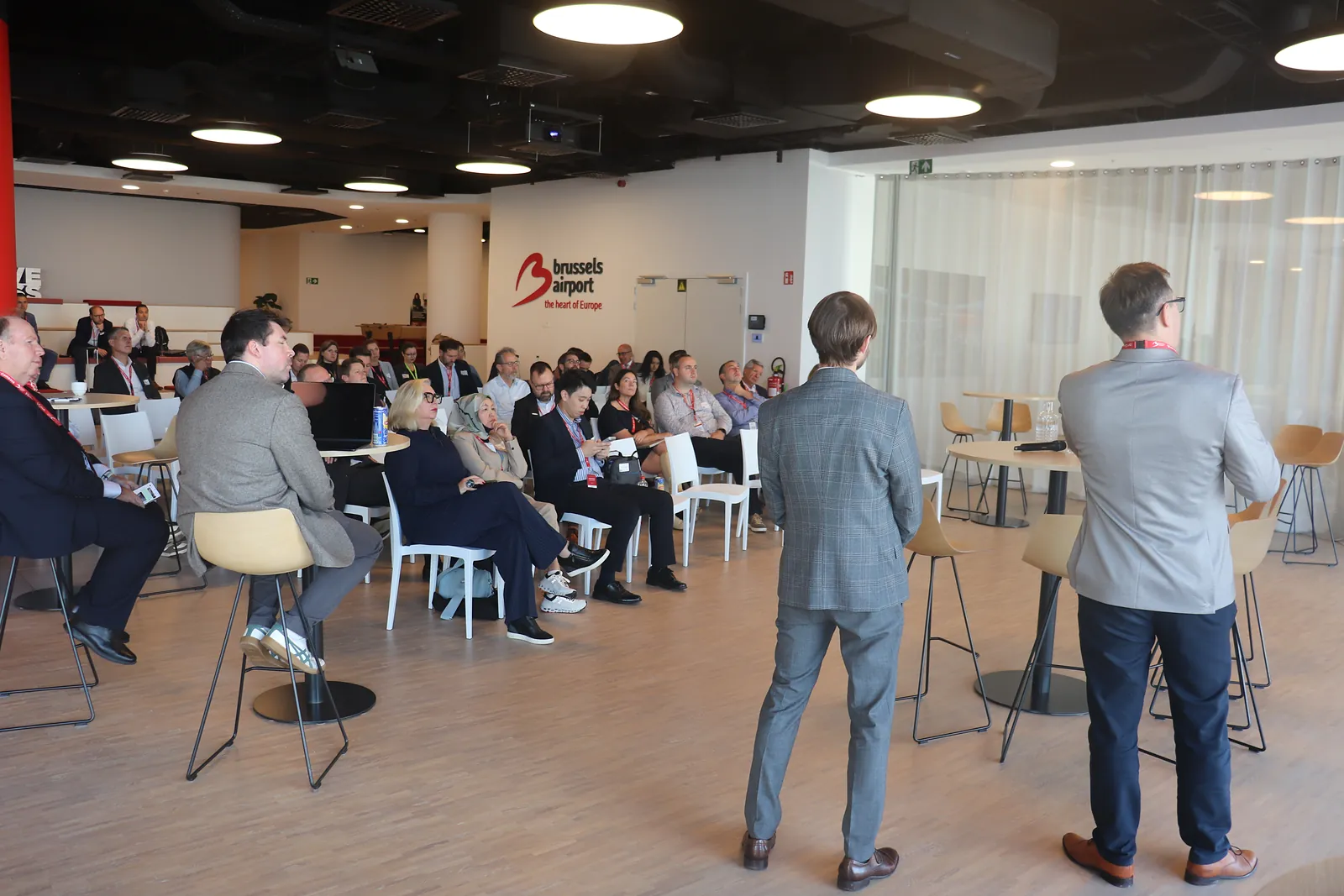
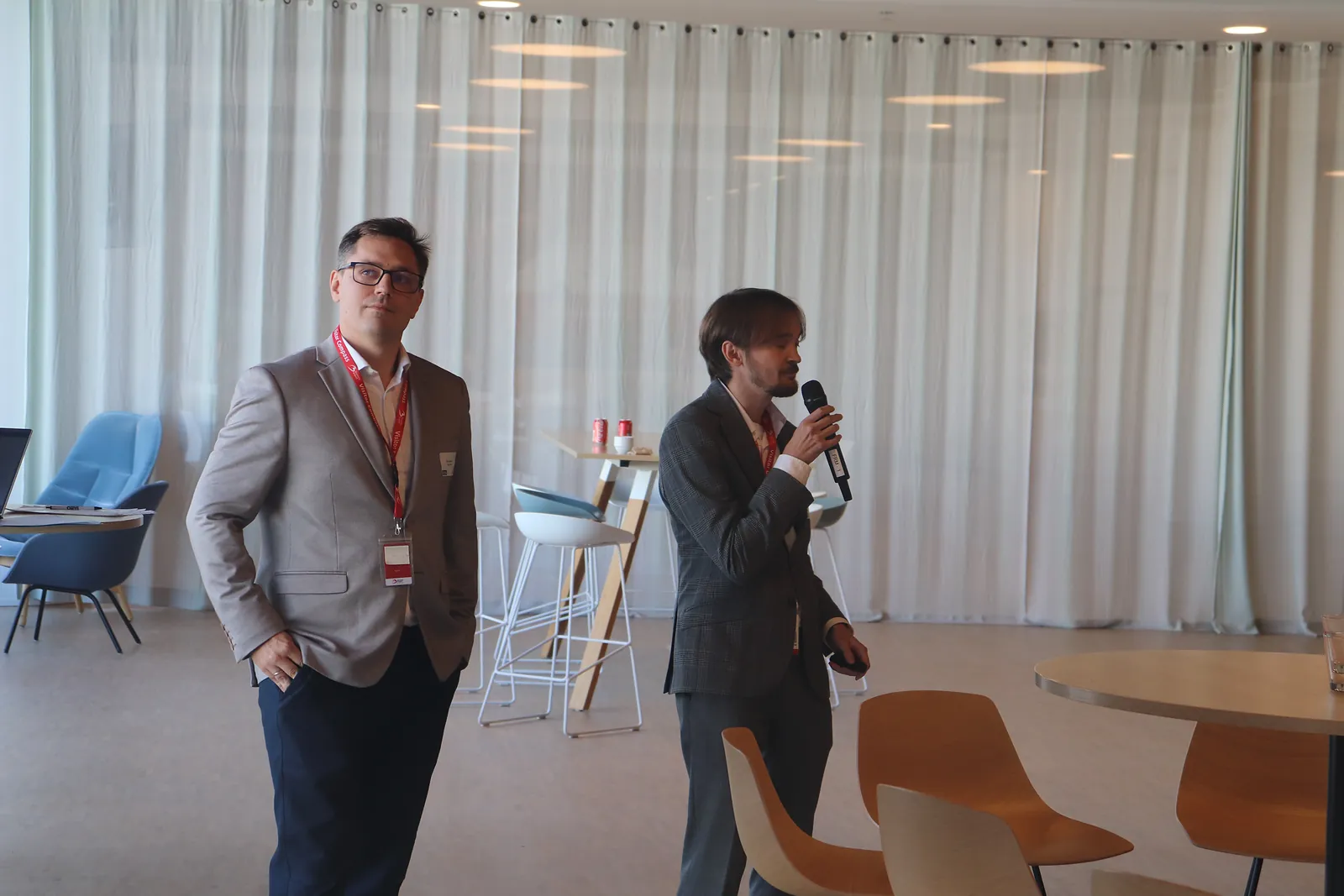
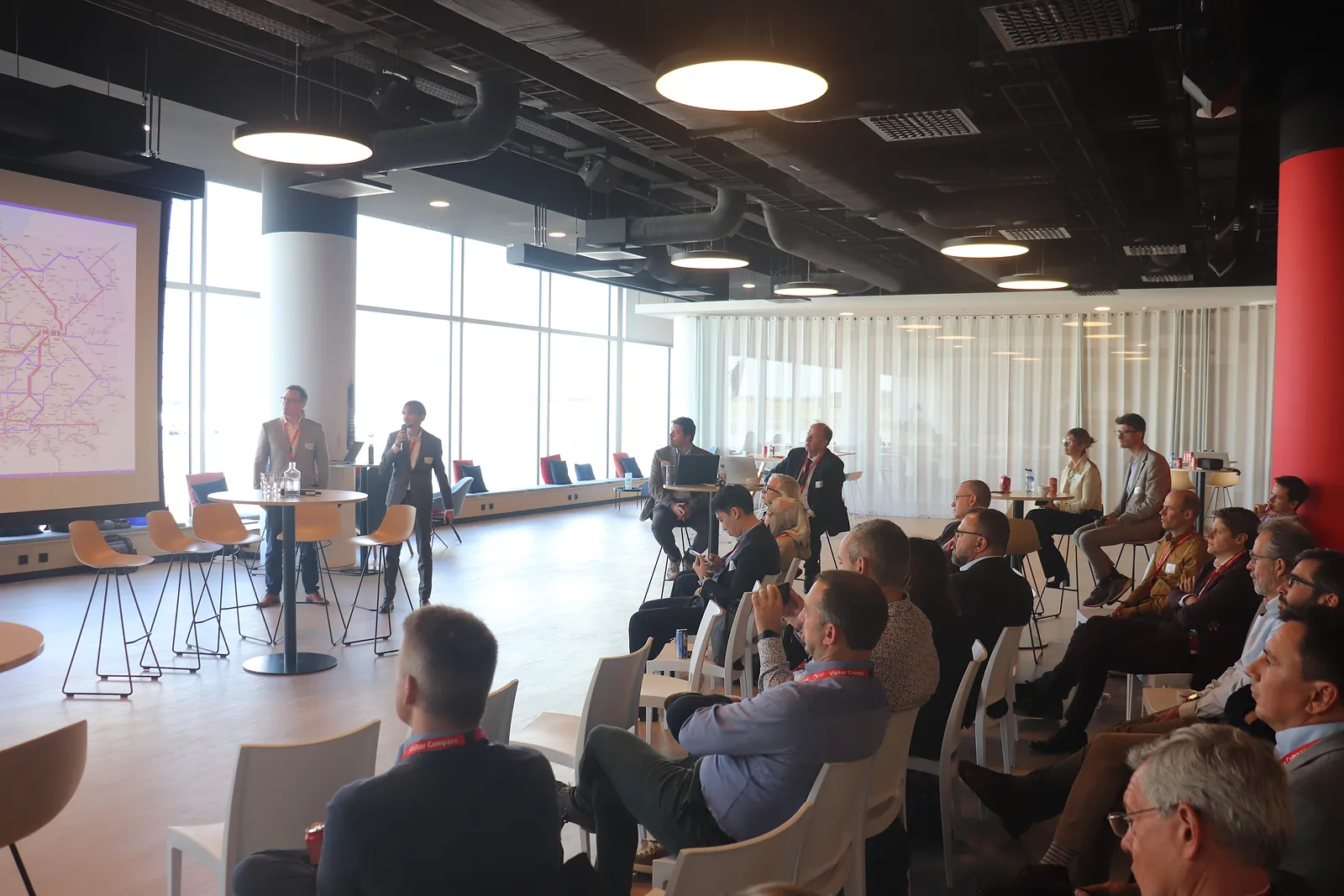
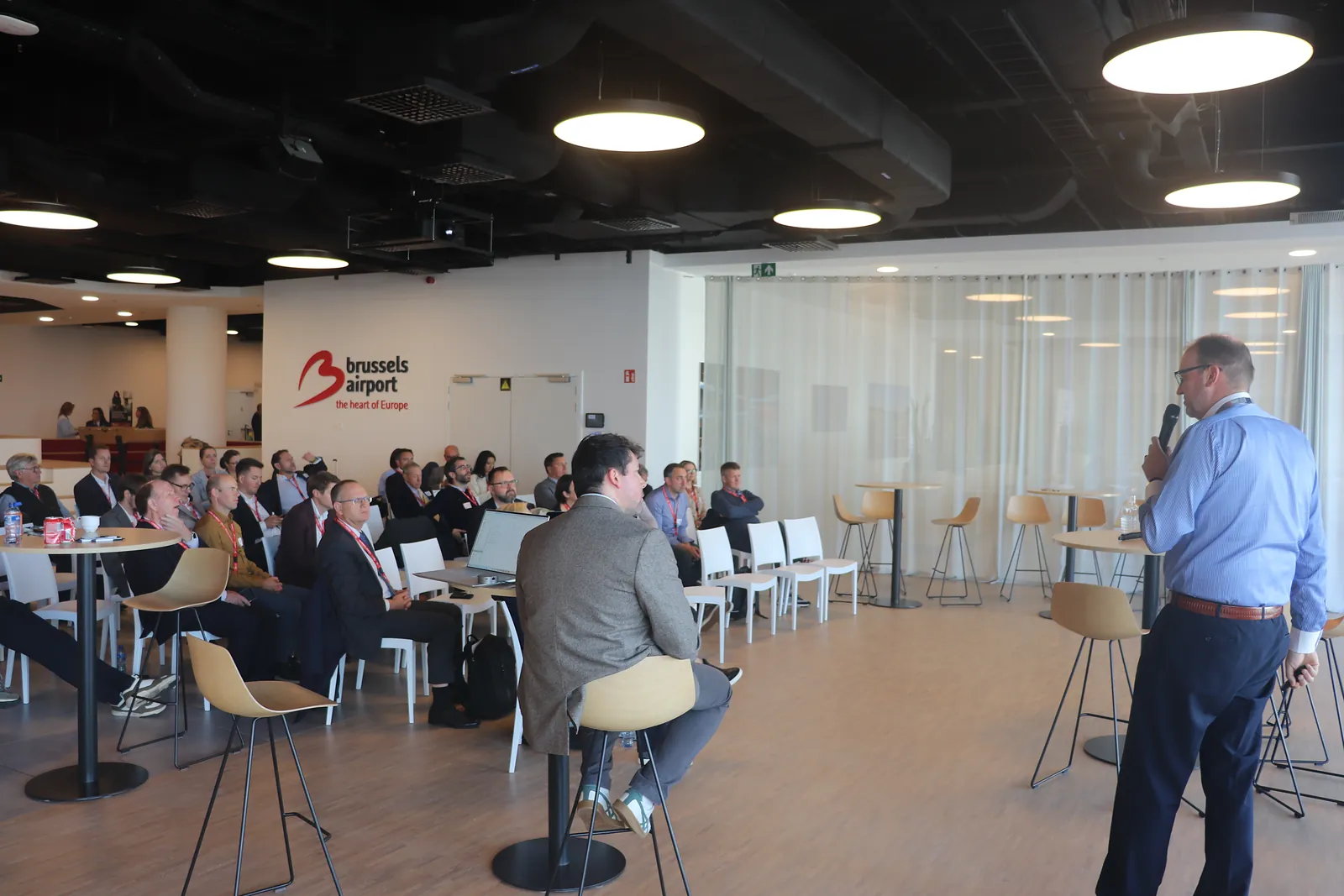
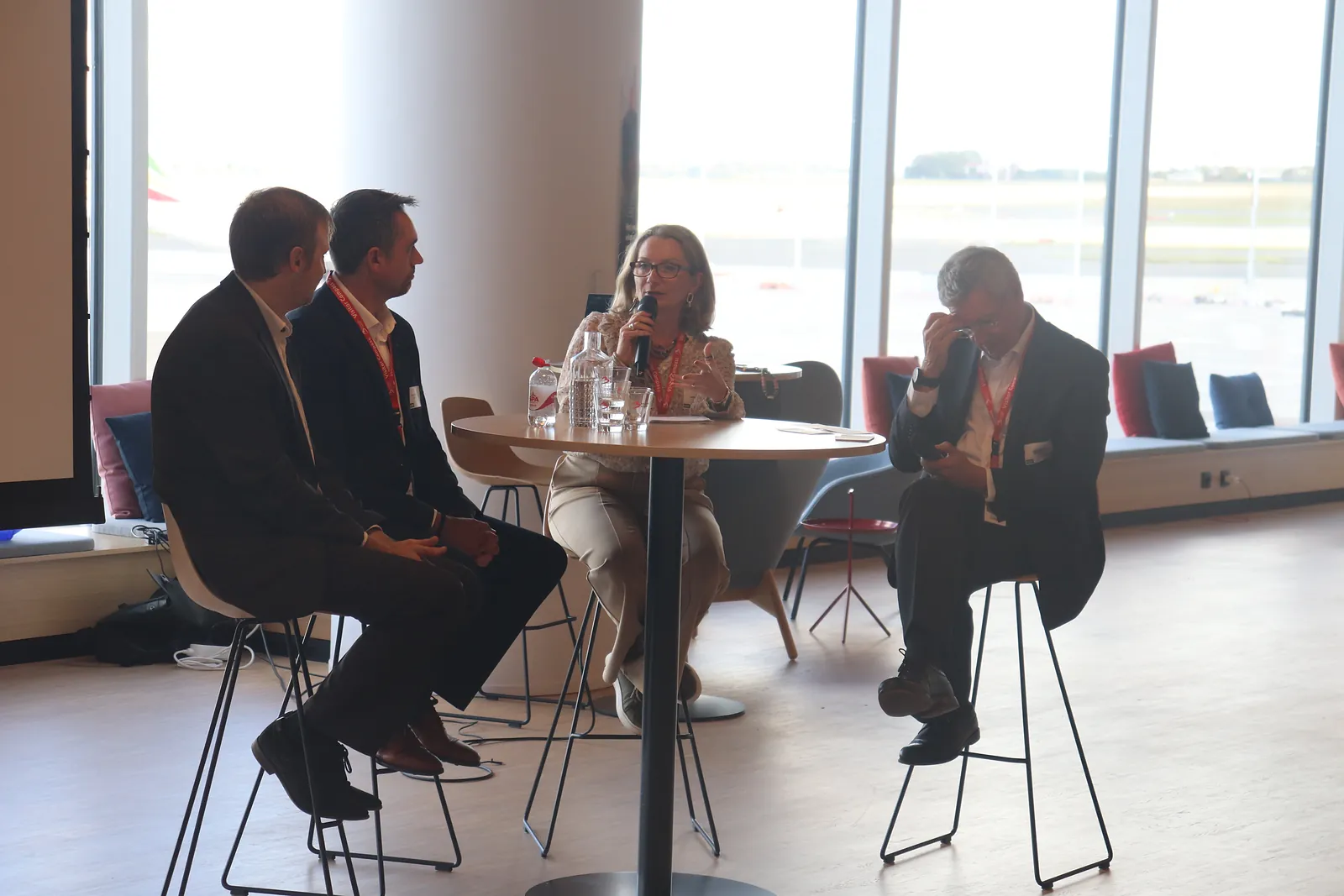
The meeting in pictures
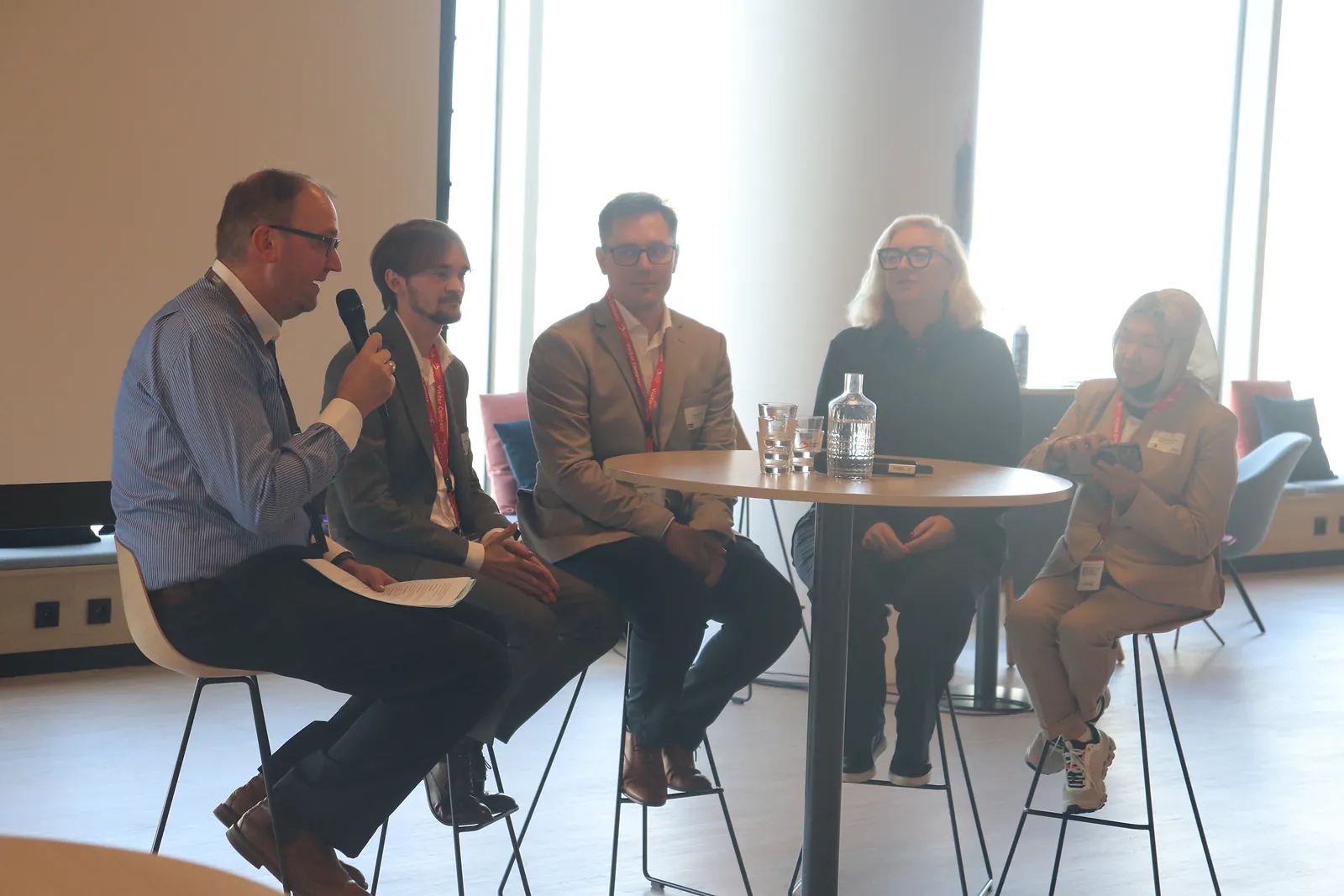
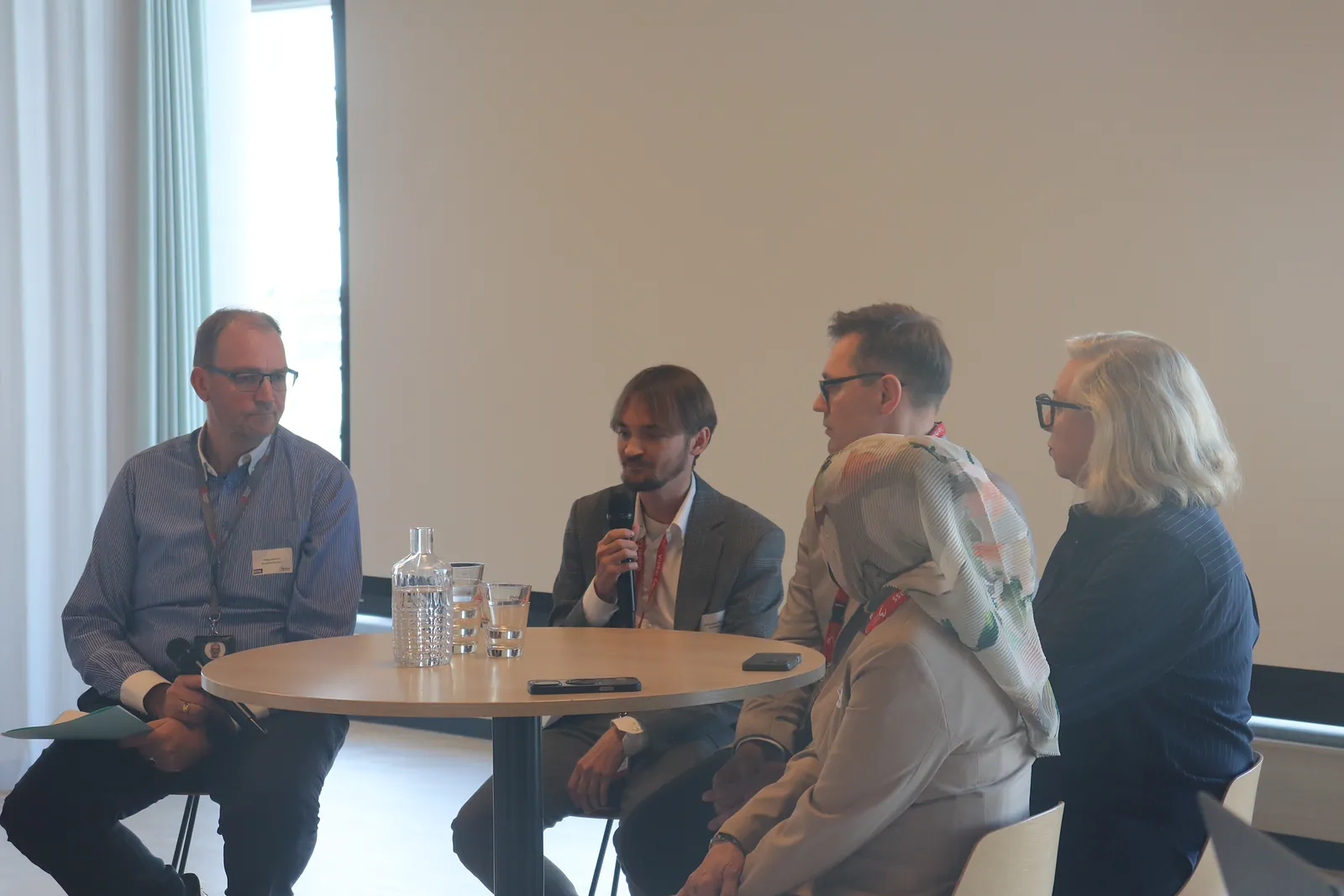
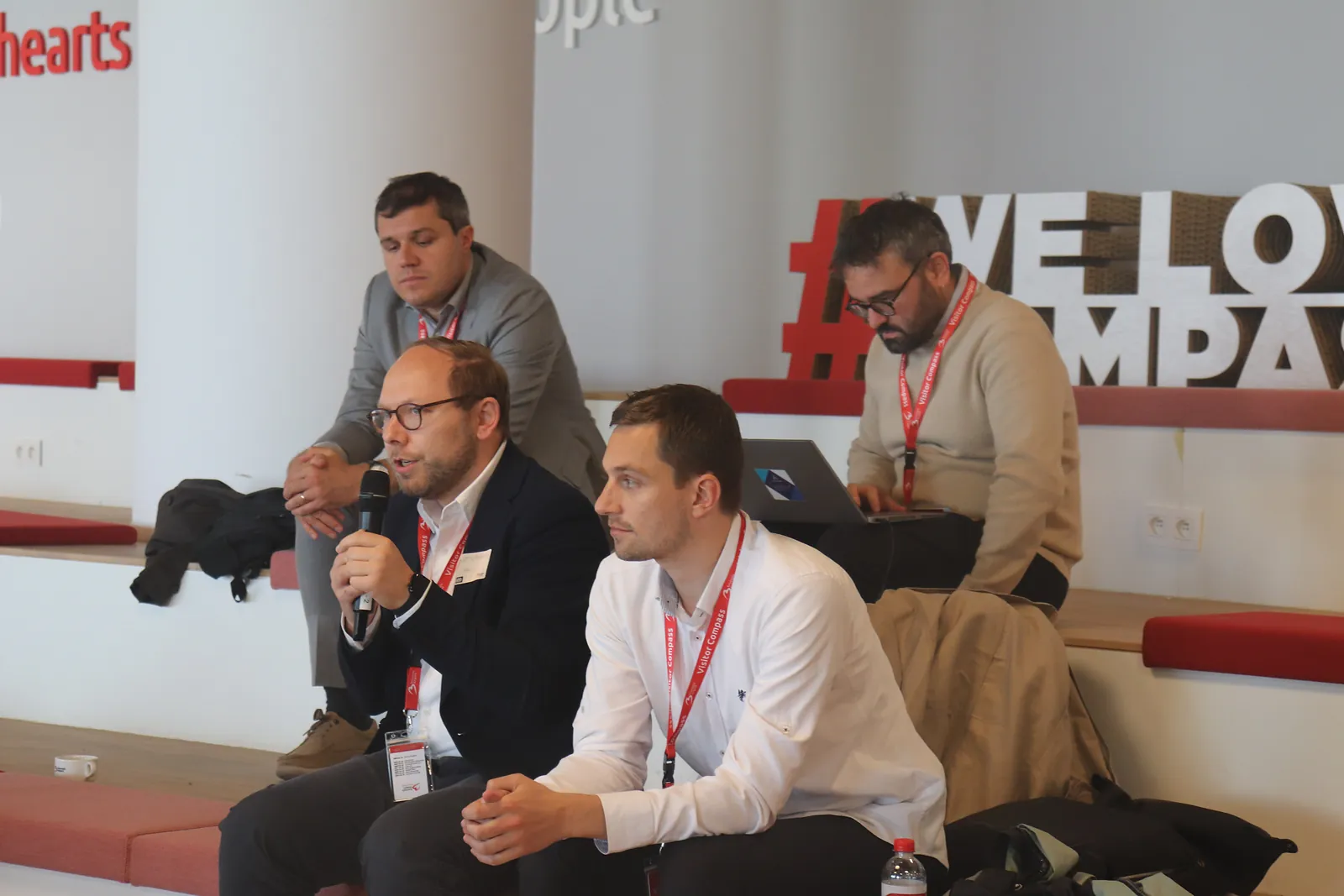
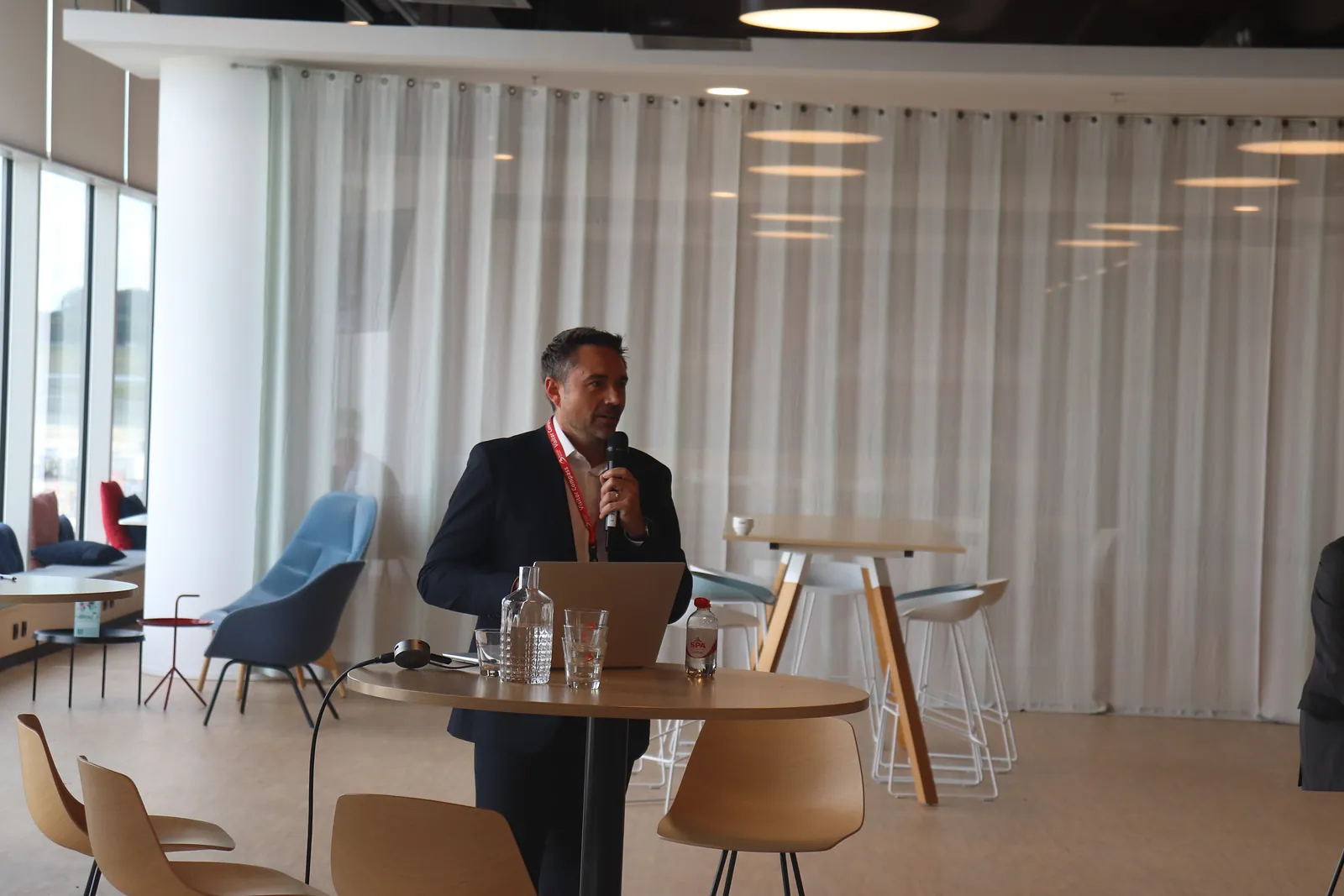
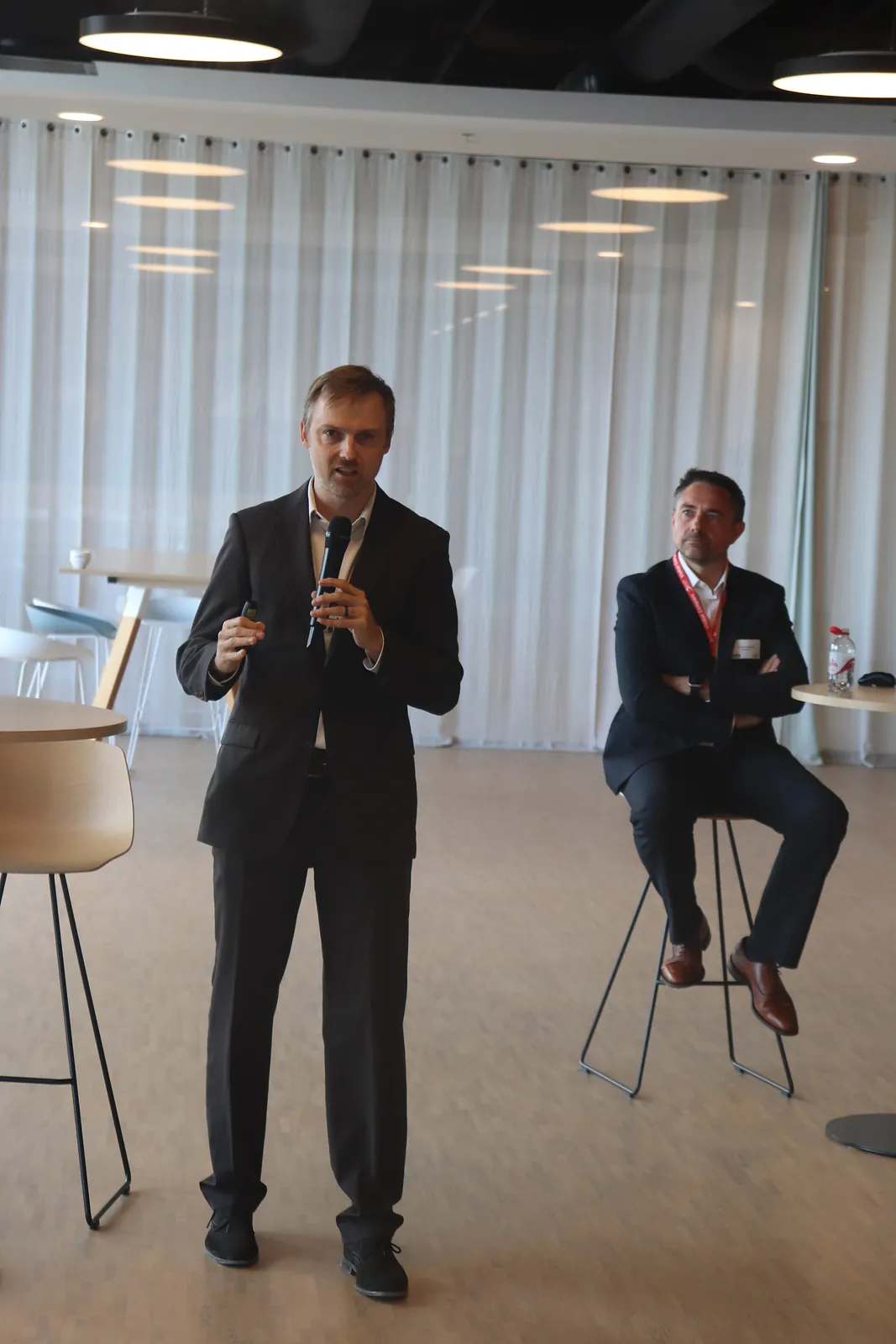
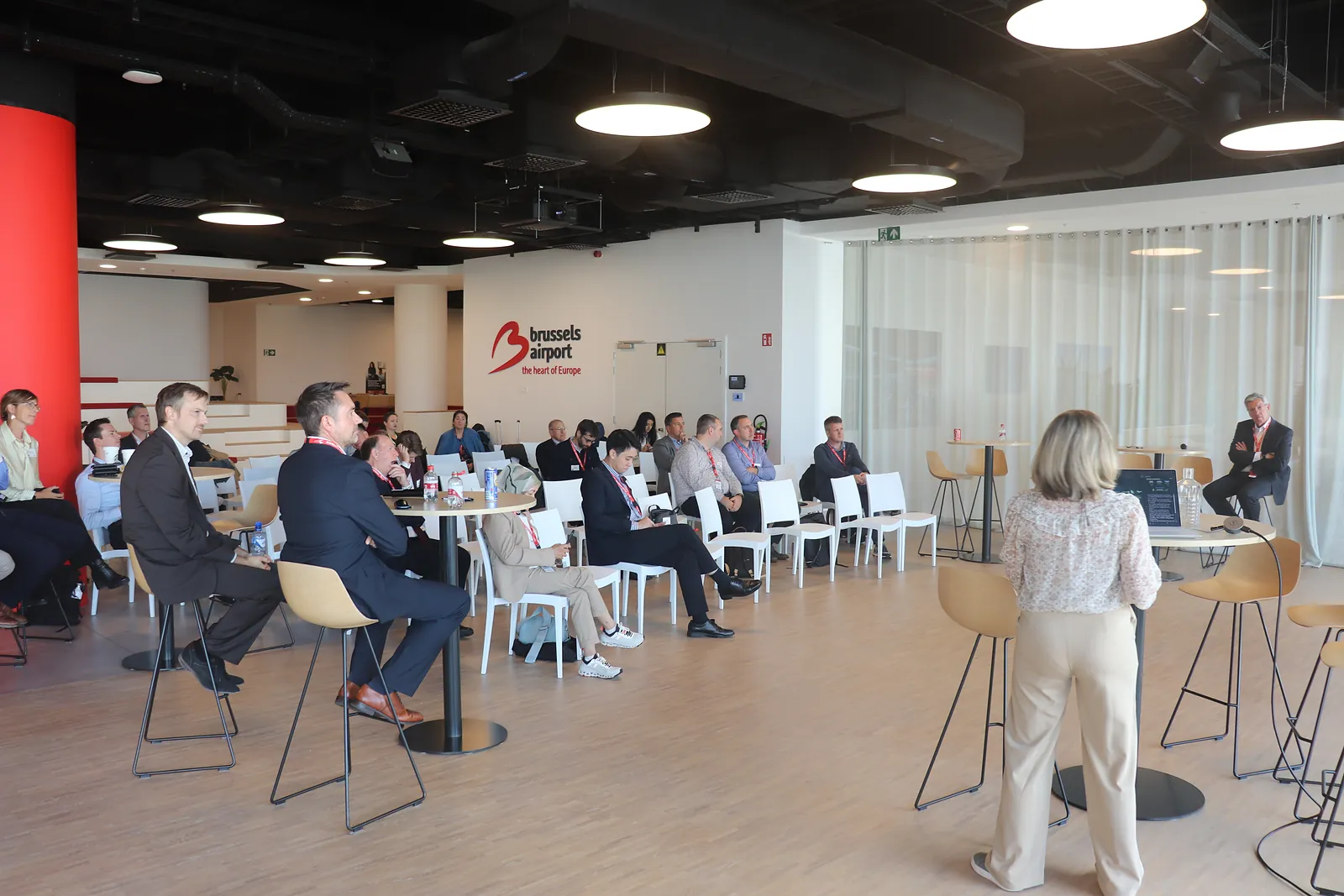
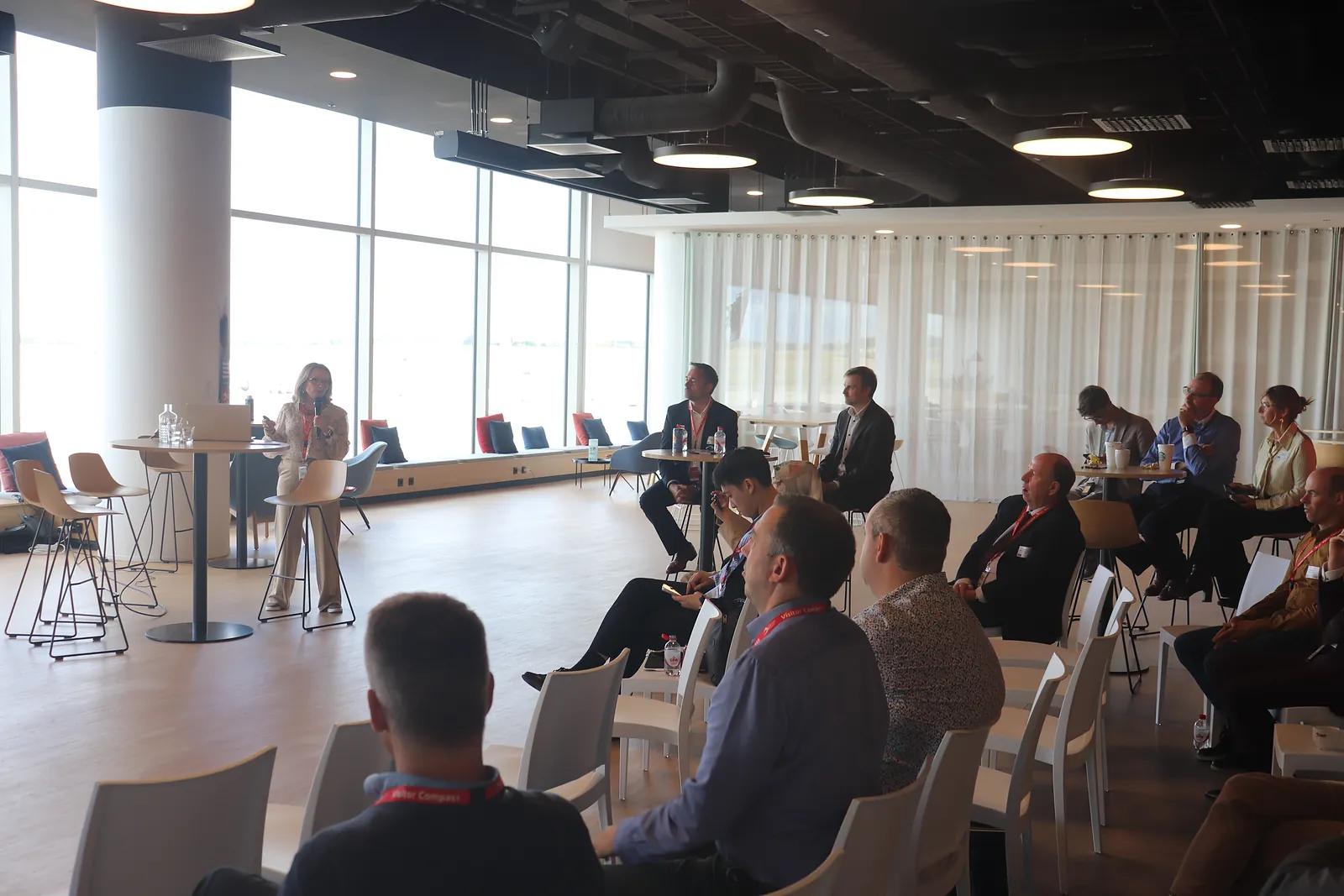
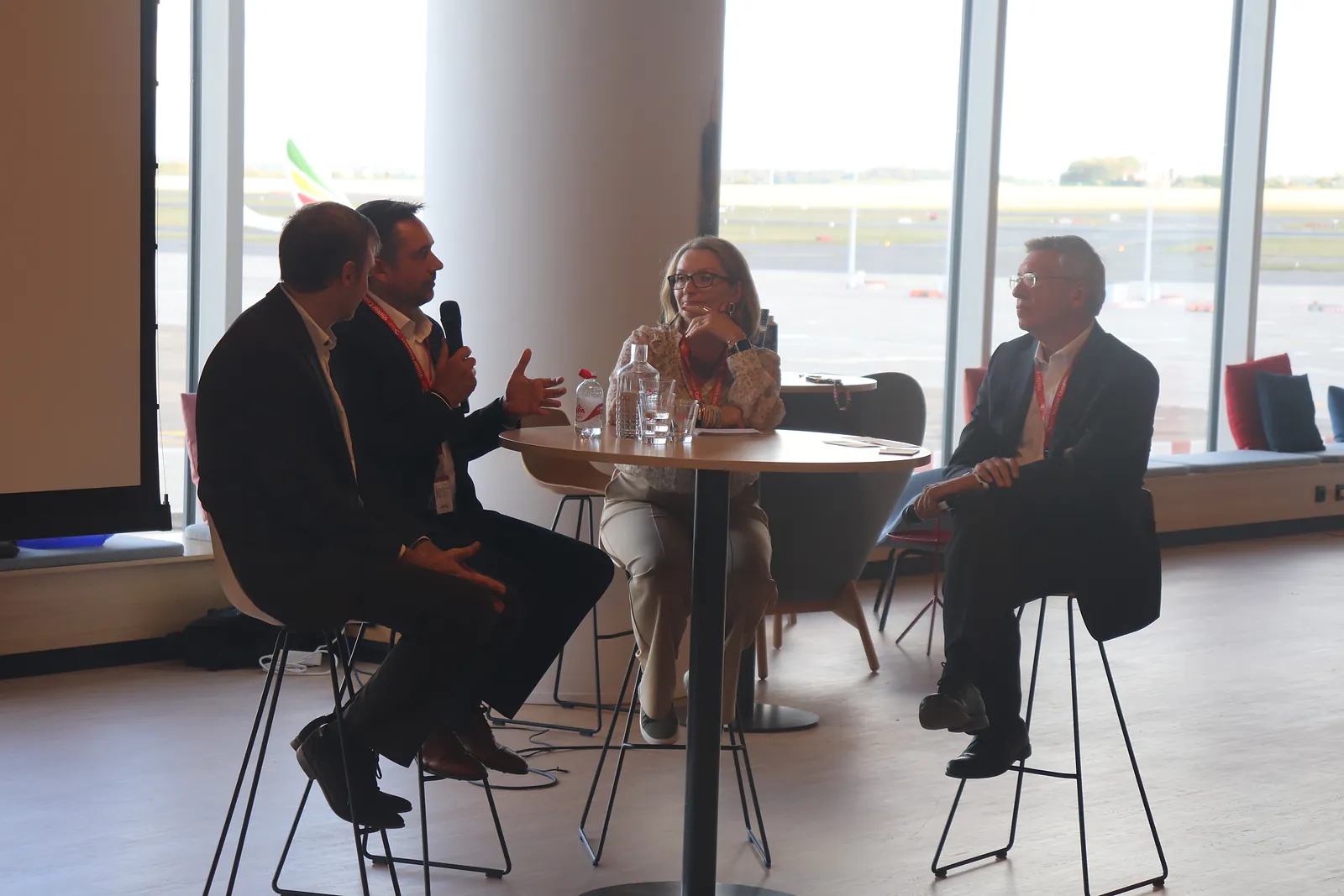
39 photographs from the two days. Select one to see it full size and step through the set.
This event has taken place. See upcoming events →
Members are discussing this in the Work Groups.